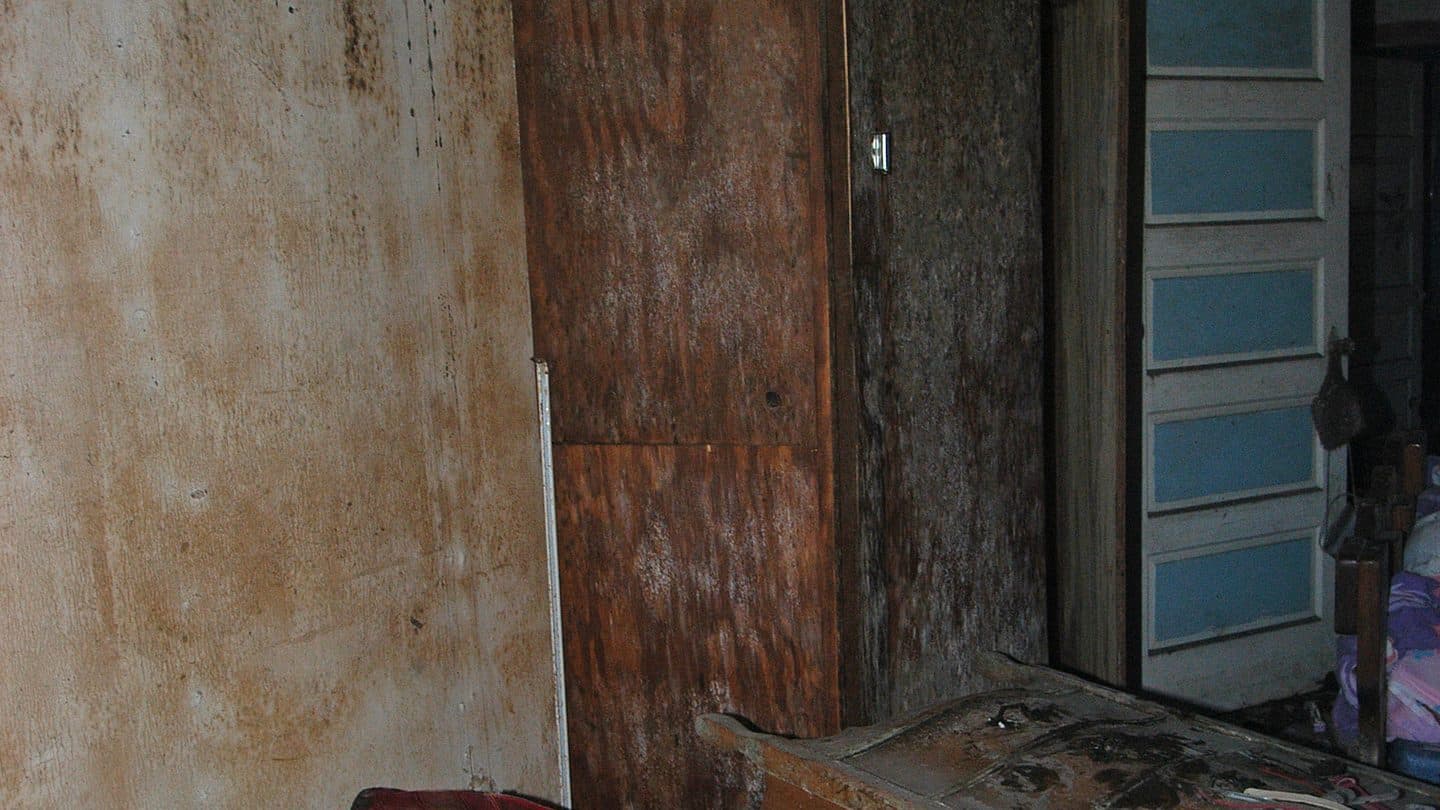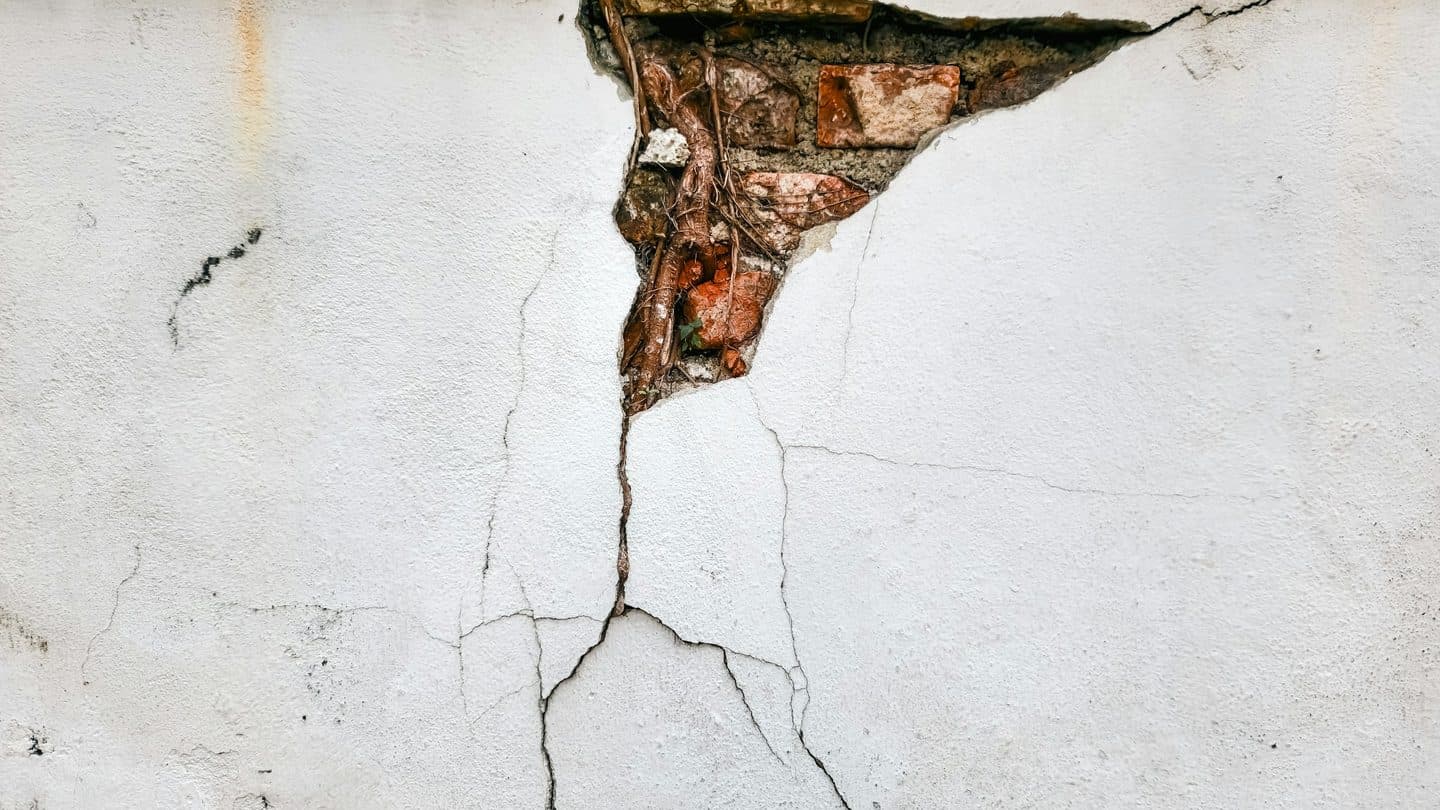
Can I sell a house with water damage?
 Written by Valentina Daza
Published August 22, 2026
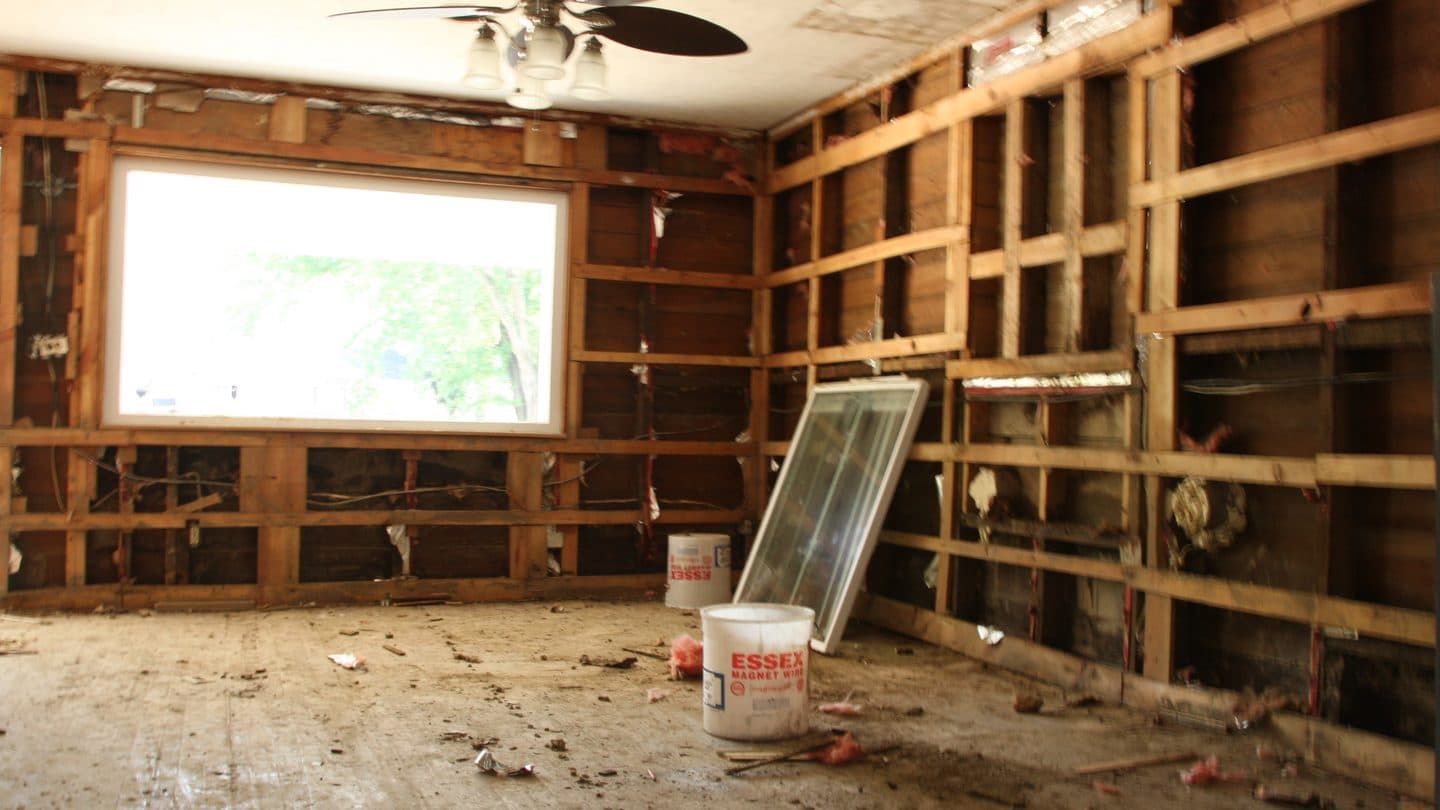
Yes. Water damage does not stop a sale. What it does is raise two questions every buyer asks: where did the water come from, and is it still coming in. Answer both with documentation and the house sells normally. Leave either unanswered and buyers price the worst case, because the worst case is all they can see.
Key Takeaways
- Buyers and inspectors price the source, not the stain.
- Repeated water claims can make a house harder for a buyer to insure, and no insurance means no mortgage.
- Moisture readings and a repair invoice are worth more than fresh paint.
- Undiscovered water in wall cavities and subfloor is where the real cost usually sits.
Water damage closes doors through the insurer
The mechanism here is not the appraisal, it is the claim history. Insurers look at prior water claims on a property, and a house with several can be difficult or expensive for a new owner to insure. A buyer who cannot get a policy cannot close, because lenders require coverage.
That is why some sales quietly die after the offer with no clear explanation. It was not the price and it was not the inspection. It was the insurance quote.
The same history can affect your own renewal, which is often how owners find out there is a problem at all.
Find the source before you price anything
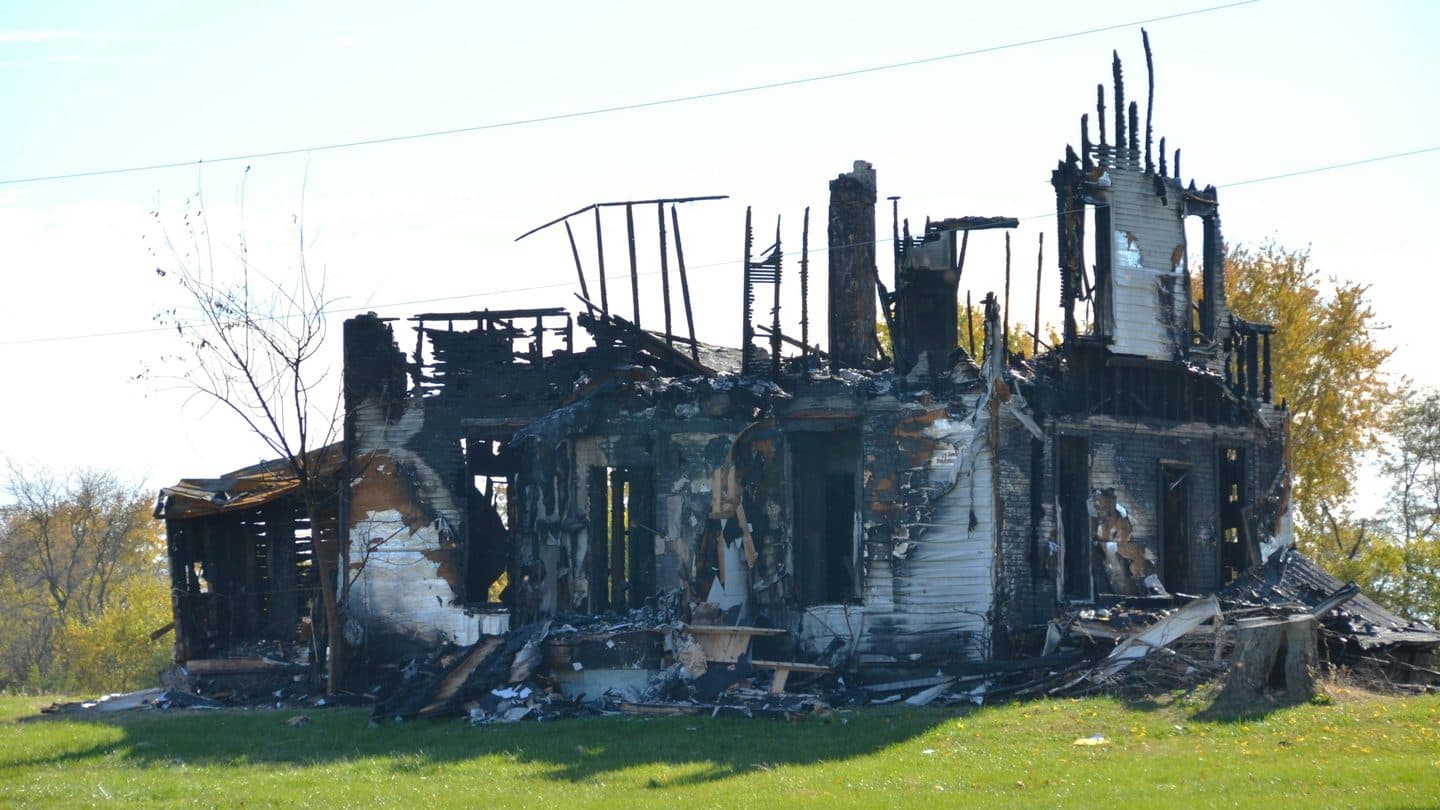
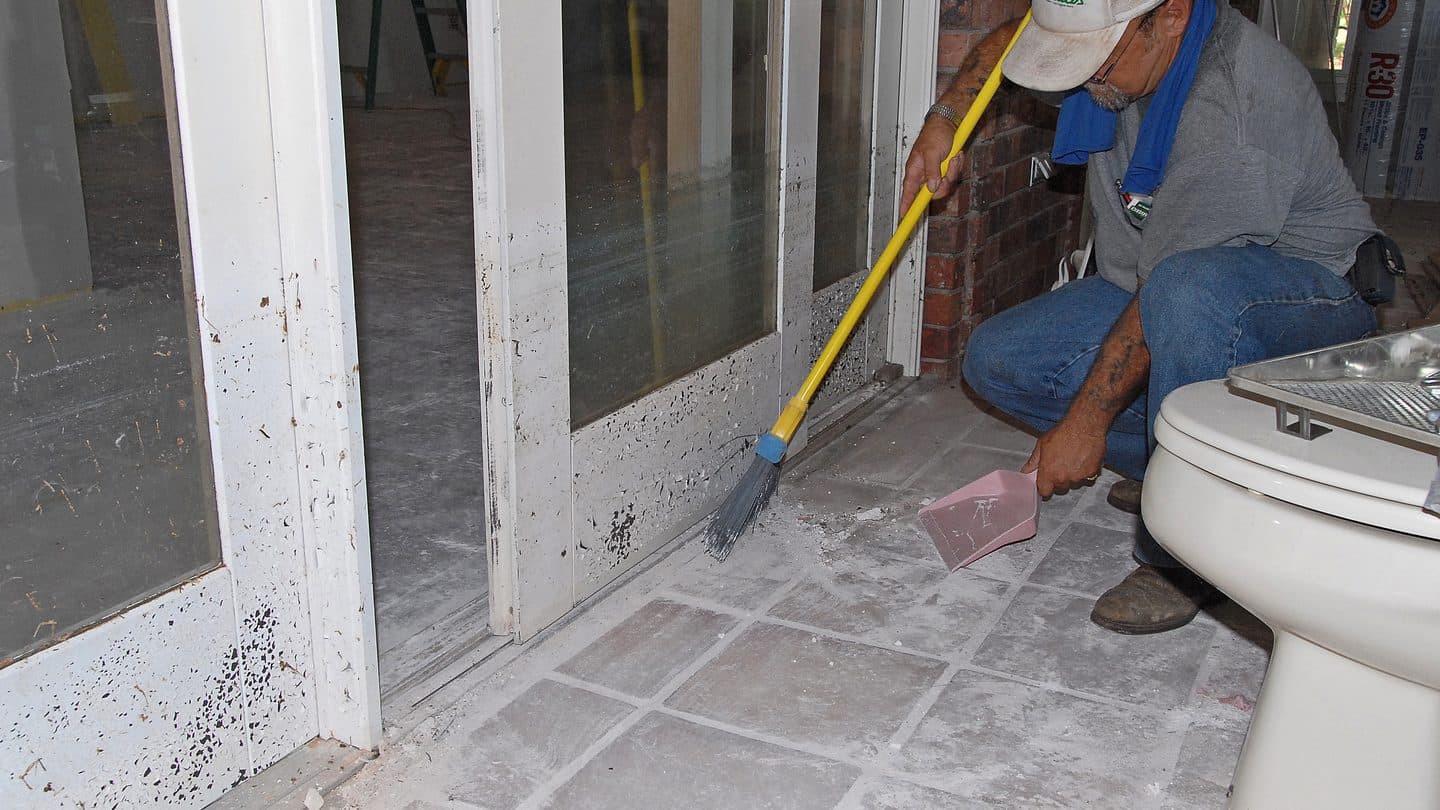
Roof, flashing, plumbing supply, drain line, appliance hose, grading and gutters are the usual suspects, and water used to put out fire damage is another, and they have very different costs. Grading that sends water at the foundation every storm is not.
Get a moisture survey rather than a visual estimate. Meters find water in cavities and under flooring that eyes miss, and that hidden water is where budgets break.
Once the source is identified and fixed, keep the paperwork. An invoice plus a follow-up moisture reading is the single most reassuring thing you can hand a buyer.
What painting over it actually costs you
Covering a stain without fixing the source, or painting over mold, is the most expensive shortcut in this category. Inspectors are trained to find exactly that, and finding it converts a repair conversation into a trust conversation.
Once a buyer believes something was concealed, they stop negotiating on the water and start wondering what else is hidden. Deals that break at that point rarely come back.
Disclosure with documentation costs you less than concealment that gets found, every time.
Common questions
Does water damage have to be disclosed if it is repaired?
Generally yes. Most states treat known past water intrusion as a material fact. Documented repair with an invoice and a moisture reading is usually reassuring to buyers, whereas an unexplained stain or fresh paint over one raises far more doubt.
Can water damage stop a buyer getting insurance?
It can. Insurers review prior water claims on a property, and a history of them can make a new policy expensive or hard to obtain. Since lenders require coverage, that can end a financed sale even when the buyer and the price were fine.
Should I fix the water damage before selling?
Fix the source first, always. Whether to complete cosmetic restoration depends on scale. Small contained damage with the leak fixed is usually worth repairing, because it returns the house to the larger financed buyer pool. Widespread damage requiring demolition often is not.
Additional helpful resources
 U.S. EPA, mold cleanup in your home
A patch under about 10 square feet can often be cleaned by the owner. Bigger jobs, sewage water, or a dirty HVAC need a pro.
 U.S. EPA, flood cleanup
Flood cleanup.
 FEMA Flood Map Service Center
See if the house sits in a mapped flood area.
 Florida DBPR, construction license search
Check a repair contractor. Construction Industry board.