Can I sell a house that needs a new roof?
 Written by Valentina Daza
Published September 14, 2026
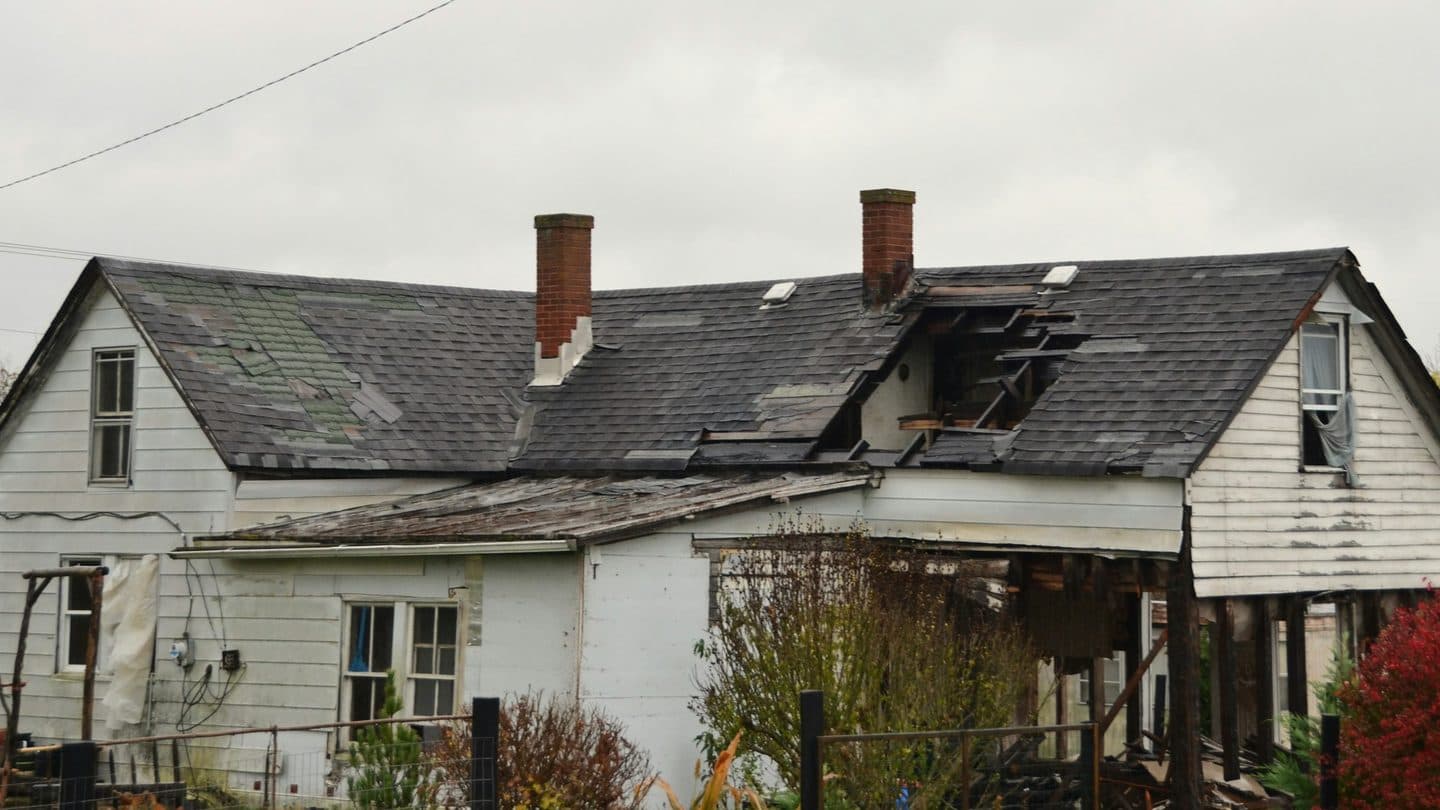
Yes. You can sell a house that needs a new roof. The hard part is the buyer's insurance, not the shingles alone. Many insurers will not write a new policy on a roof past a certain age, and without a policy a regular loan usually cannot close. Get a written roof quote even if you are not doing the work. Then decide replace first, offer a credit, or sell it as it sits.
Key Takeaways
- The closed door is usually the buyer's new home insurance, then the lender who needs that policy.
- A written roof quote changes the conversation even when you are not doing the work yourself.
- Replace first then list usually reopens financed buyers if you can fund the roof and wait.
- Sell as it sits keeps cash and time on your side, at a lower contract price, with the quote in hand.
Replace the roof first, or sell the house as it sits?
The choice in front of you is usually replace the roof first then list, or sell the house as it sits.
Neither side wins from the title alone.
The thing that decides the ranking is not the shingles you can see from the curb.
It is whether a buyer's new home insurance will write a policy on this roof.
Many insurers will not write a new policy on a roof past a certain age.
Without that policy, a regular mortgage usually cannot close, because the lender requires coverage as a condition of the loan.
That is why a roof at the end of its life closes more doors than its repair cost alone would suggest.
The house can still show well.
A buyer can still love it.
An offer can still come in.
Then the deal quietly dies a week later when the insurance quote comes back empty.
Your own carrier may already have non-renewed you for the same reason.
A refinance to pay for the roof can hit the same underwriting wall.
The surface problem is a roof that needs work.
The closed door is the buyer's new home insurance, and then the lender behind that policy.
Hide the word roof for a moment and the chain still fails the same way: no new policy, then no regular loan.
That is the mechanism this comparison has to score.
This page puts replace-first and sell-as-it-sits on the same sheet.
It does not crown a winner before the five criteria are honest.
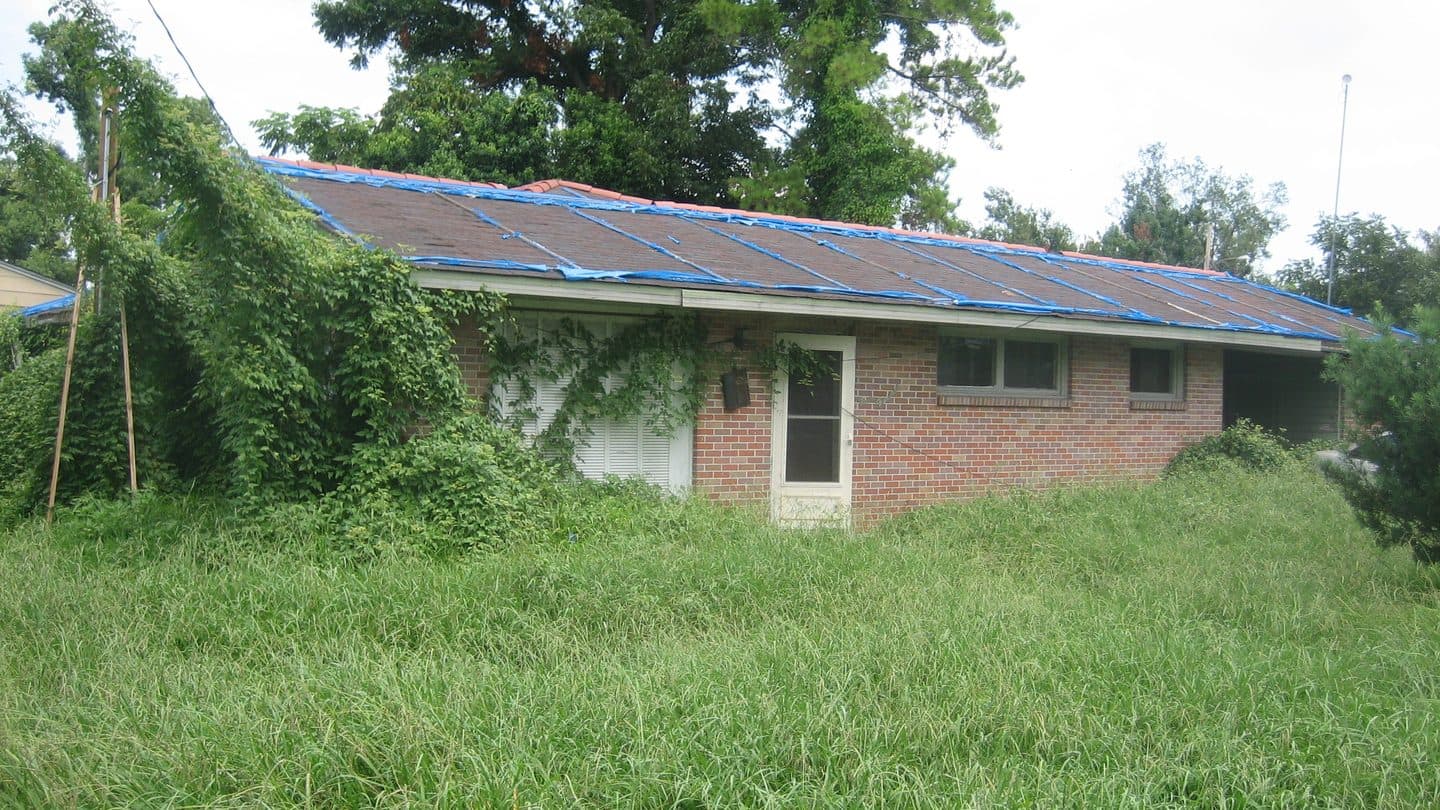
The same criteria on both sides
Use the same five questions for replace-first and for sell-as-it-sits.
Cost out of pocket before close: how much cash leaves your account before anyone wires proceeds.
Who can buy: which buyers can still get a regular loan, and which buyers do not need one.
Timeline and carry: how many months of taxes, insurance, utilities, and any mortgage you still pay while you wait.
Net after roof, fees, and carry: what reaches you after the work, the selling costs, and those months, not the higher list price on a fantasy clean roof.
Insurance reopen: whether a new homeowner policy can be written so a financed buyer can close.
Write those five lines on one page for this house.
Do not skip insurance reopen because the shingles look "fine from the street."
Do not skip carry because a crew promised two weeks.
A roof credit at closing, or a renovation loan that folds the work into the buyer's purchase, can sit between the two sides.
Those are real middle tools.
They are not a third path that always beats both.
They still have to clear the same five questions, especially insurance reopen and who can still fund.
Do not invent a national roof price to fill the cost line.
Get a written quote for this house.
Treat any national average you see online with suspicion.
Two houses with the same roof age can still price differently once pitch, layers, and decking show up on the quote.
Keep financed buyers and cash buyers as separate lines on who can buy.
Mixing them into one "buyer pool" is how owners talk themselves into a retail list price that never clears insurance.
Carry is not a soft number.
It is the months you still write checks while a crew finishes, while a listing sits, or while an as-is buyer finishes diligence.
Net is what is left after those checks, not the number on the yard sign.
Replace first, then list
Replacing the roof first is the path that usually reopens the financed buyer pool.
That pool is much larger than the cash pool.
Cost out of pocket before close is the hard part of this side.
The roof has to be paid for before the house sells.
The money comes out of savings, a separate loan if you can get one, or another source you already have.
It does not come out of sale proceeds you have not received yet.
Owners who are already carrying a tight monthly number are often being asked to spend money they do not have in order to reach money they cannot touch yet.
Who can buy changes after a completed roof that insurers will write.
A buyer who needs a regular mortgage can often get a new policy again once the roof age and condition clear the carrier's rules.
Cash buyers were never blocked by that policy step, but most retail buyers are.
Timeline and carry stretch through the work and the listing period.
Crews, inspections, and marketing are not a weekend.
Permits, if your county wants them, sit on that calendar too.
You keep paying the house while the roof goes on and while showings run.
If rain delays the crew, the carry does not pause.
Net after roof, fees, and carry is the only fair score.
Add the roof invoice, ordinary sell costs, and the months of carry.
Subtract that total from a realistic repaired sale price.
Do not compare that repaired list price to an as-is number and call the difference free money.
Insurance reopen is the point of this side when it works.
A new roof that a carrier will insure is what lets the lender fund.
If the rest of the house still fails for other reasons, the new roof alone does not save the loan.
Ask an insurer, in plain words, whether a new policy would write after this exact scope of work.
Get that answer before you treat replace-first as automatic.
Florida hail and hurricane markets make this side more urgent and more expensive to get wrong, because insurer roof rules there are often tighter and get revised often.
Replace-first also fails when you fund a roof that still will not clear the carrier you needed.
That is why the insurance answer belongs next to the invoice before you schedule the crew.
If you can only fund a patch, and the patch does not reopen a new policy, you spent money and still sit on the as-is side of this comparison.
Sell as it sits
Selling as it sits means you are not paying for a full roof before closing.
Cost out of pocket before close is usually much smaller on this side.
You may still pay for a written quote, a patch that stops active leaking, or ordinary closing costs.
You are not funding a full replacement out of pocket first.
Who can buy shrinks toward cash buyers and a narrower set of renovation-loan buyers when a new policy will not write.
A financed retail buyer who cannot get coverage usually cannot close.
That is not a judgment about the house as a place to live.
It is the insurance step failing before the appraisal argument even starts.
Timeline and carry are often shorter.
There is no roof calendar on your side, and no months of listing while you wait for a crew.
You still carry the house until you close, so a slow as-is search is not free.
If showings drag, the monthly bill still lands.
Net after roof, fees, and carry is again the score.
The contract price is usually lower.
You also did not spend the replacement invoice, and you may have saved months of carry.
Compare those nets on the same page.
A lower contract price with less cash out and less wait can still beat a higher list price you never reach.
Insurance reopen usually does not happen on your side of closing with this path.
The buyer who can close without a new retail policy, or who can fund repairs into a renovation product, is the buyer this side is built for.
A roof credit at closing is a middle tool on this side of the comparison.
Some buyers will take a credit rather than require the work up front.
Some renovation loan products let a buyer finance the repair into the purchase.
Both are narrower than the general market.
Neither is exotic.
A credit still has to be large enough, and the buyer's insurer and lender still have to accept the plan.
A quote in hand makes that negotiation concrete.
Some financed deals survive only because the credit and the repair plan were written early enough for underwriting to see them.
Late credits after a failed insurance quote are usually too late.
If the middle tool needs the buyer to qualify for a renovation product, ask whether that product is common in your market before you count on it.
Without a quote, every buyer guesses high, because guessing high protects them.
Do not shame a cash path when insurance has already removed the financed path.
Shame is not a criterion.
Cash and renovation buyers are how many of these houses actually close.
If active leaking is still putting water into the house, a small stop-leak may still belong on this side so the condition does not get worse while you sell.
That stop-leak is not the same as a full replacement meant to reopen retail insurance.
Say which one you did, in writing, so a buyer does not assume the full roof is new.
When replace first wins, and when as-is wins
If you can fund the roof and wait through the work and a normal listing, replace then list usually reopens financed buyers and is often the stronger net.
That is the conditional verdict when the cash and the calendar are real.
If you cannot fund the roof without draining what you need to live on, or you cannot carry the house through the work and the market time, sell as it sits with a written quote in hand.
That is the conditional verdict when the cash or the calendar is not there.
Run the five criteria on this house before you argue about list price.
If a credit or a renovation loan appears in offers, score it with the same five questions instead of treating it as a magic third winner.
A credit that still leaves the buyer unable to get a policy is not a middle win.
It is a delayed failure.
If the house will still finance after a roof a carrier will write, and you can fund and wait, call a local agent.
That is the better retail path when those conditions are true.
If as-is is what is left, the honest move is to price for the buyers who can still close, with the quote attached.
Do not hold out for a financed retail sale while every insurance quote comes back empty.
The honest fork is simple once the quote and the insurance answer are on one page.
Fund and wait, then list like a house that will finance.
Or stop spending, attach the quote, and sell as it sits to whoever can close without that new retail policy.
Everything else is a delay dressed up as a strategy.
Get a written roof quote, even if you are not doing the work
A written roof quote costs little or nothing compared with a wrong path.
It tells you whether you are looking at a full replacement or a section repair.
Those are different numbers.
Owners often assume replacement when a limited repair would satisfy an insurer.
The quote also stops buyers from inventing the worst number in silence.
Hand the same paper to a listing agent, a credit negotiation, or an as-is buyer.
Ask for the scope in writing: layers, decking, vents, and anything else that moves the price.
A verbal "around this much" is how nets go wrong.
If there has been storm damage, check whether it falls inside your insurer's claim window before you tear off anything.
Open roofing is still water damage.
A covered claim can change the arithmetic completely, and claim windows quietly expire.
A quote is not a promise that you will do the work.
It is the fact sheet for whichever side of the comparison you choose.
Get more than one quote when the first number feels like a sales script.
You are buying information, not agreeing to a crew, until you choose replace-first.
Bring the quote to the insurance question the same day.
Ask whether a new policy would write on the roof as it sits, and whether it would write after the quoted scope.
Those are two different answers, and they decide which side of the comparison is even available.
Florida hail, hurricane rules, and the official doors
In hail and hurricane states, insurer roof-age and roof-condition rules are often tighter than in quieter weather markets.
Those rules also change.
Do not invent a statewide age cutoff from a blog.
Ask a local insurer or agent what a new policy would require on this roof today, and keep that answer next to your written quote.
Your own non-renewal is a useful signal.
The same kind of underwriting that dropped you can stop a buyer's new policy.
That is why a refinance to fund the roof can fail for the same reason a buyer's loan fails.
The Florida Office of Insurance Regulation is the state regulator door for insurance companies in Florida.
The Consumer Financial Protection Bureau explains, in plain words, why lenders generally require homeowner's insurance as a condition of a mortgage.
Those two cards sit at the end of this page.
Open them when you need the official version of the insurance-to-mortgage chain, not a contractor sales page.
No Tampa roof shop belongs on a national can-i-sell resource list.
The official doors are for the mechanism, not for a free rip-off quote that only works if you hire the truck.
What to do next
If you can fund a roof a carrier will insure, and you can wait through the work and a normal listing, call a local agent.
That is the better path, and it is the one we will tell you to take.
Get the written quote first either way.
We are the wrong call when this is already a financed listing after a roof that reopens insurance.
If selling as it sits is what is left because the cash, the carry, or the insurance reopen will not support replace-first, use /get-offer/.
Walk the actual roof quote, the actual insurance answers, and the actual timeline.
Sending this house on that form is closer than another hour of national roof blogs.
We are the buyer, not a lead broker.
If we are not the right buyer, we will say so.
No is a complete answer.
Common questions
Can I sell a house that needs a new roof?
Yes. You can sell a house that needs a new roof. The hard part is usually the buyer's new home insurance, not the shingles alone. Many insurers will not write a new policy on a roof past a certain age, and without a policy a regular loan usually cannot close. Get a written quote, then replace first, offer a credit, or sell as it sits.
Can a buyer get a mortgage on a house that needs a roof?
Often not, when a new homeowner policy will not write. Lenders generally require the buyer to carry home insurance. If the buyer cannot get coverage, the loan cannot close. That removes most financed buyers until the roof condition clears what insurers will accept, or until a credit or renovation product changes the plan.
Should I replace the roof before selling?
Replace first usually reopens financed buyers and can produce the stronger net if you can fund the work and wait. The roof money comes out before closing, and you carry the house through the crew and the listing. If you cannot fund or wait, sell as it sits with a written quote instead of forcing a retail path you cannot finish.
Can I offer a roof credit instead of replacing it?
Sometimes. Some buyers will accept a credit at closing rather than requiring the work up front. Some renovation loan products let a buyer finance the repair into their purchase. Both are narrower than the general market. A written quote makes the credit real. The buyer's insurer and lender still have to accept the plan.
My insurance company dropped me because of the roof. What does that mean for selling?
It is a useful signal. The same roof age or condition that caused your non-renewal can stop a buyer's new policy, which can stop their mortgage. Find out early, with a written roof quote and a plain question to an insurer about a new policy on this house, rather than at the end of a contract.
Do I need a roof quote if I am selling as-is?
Yes, get one anyway. Without a quote, buyers assume the worst number. The quote also tells you repair versus full replacement, which changes both a credit talk and an as-is price. Selling as-is means you are not promising to do the work. It does not mean you should negotiate blind.
Additional helpful resources
 Florida Office of Insurance Regulation
This is the official Florida Office of Insurance Regulation hub. It is for an owner whose sale is stuck on homeowner insurance questions, including a roof that may block a new policy. You use it to reach the state regulator that oversees insurance companies in Florida, not a contractor blog. Use this one because it is the official Florida insurance regulator door. Start at the URL on this card.
 CFPB, Why homeowner's insurance is required
This is the Consumer Financial Protection Bureau page that explains what homeowner's insurance is and why lenders generally require it. It is for an owner who needs the official link between a missing policy and a mortgage that cannot close. You read that lenders want proof of coverage as a condition of the loan. Use this one because it is the official federal consumer door for that requirement. Start at the URL on this card.