Can I sell a house with a bad foundation?
 Written by Valentina Daza
Published September 1, 2026
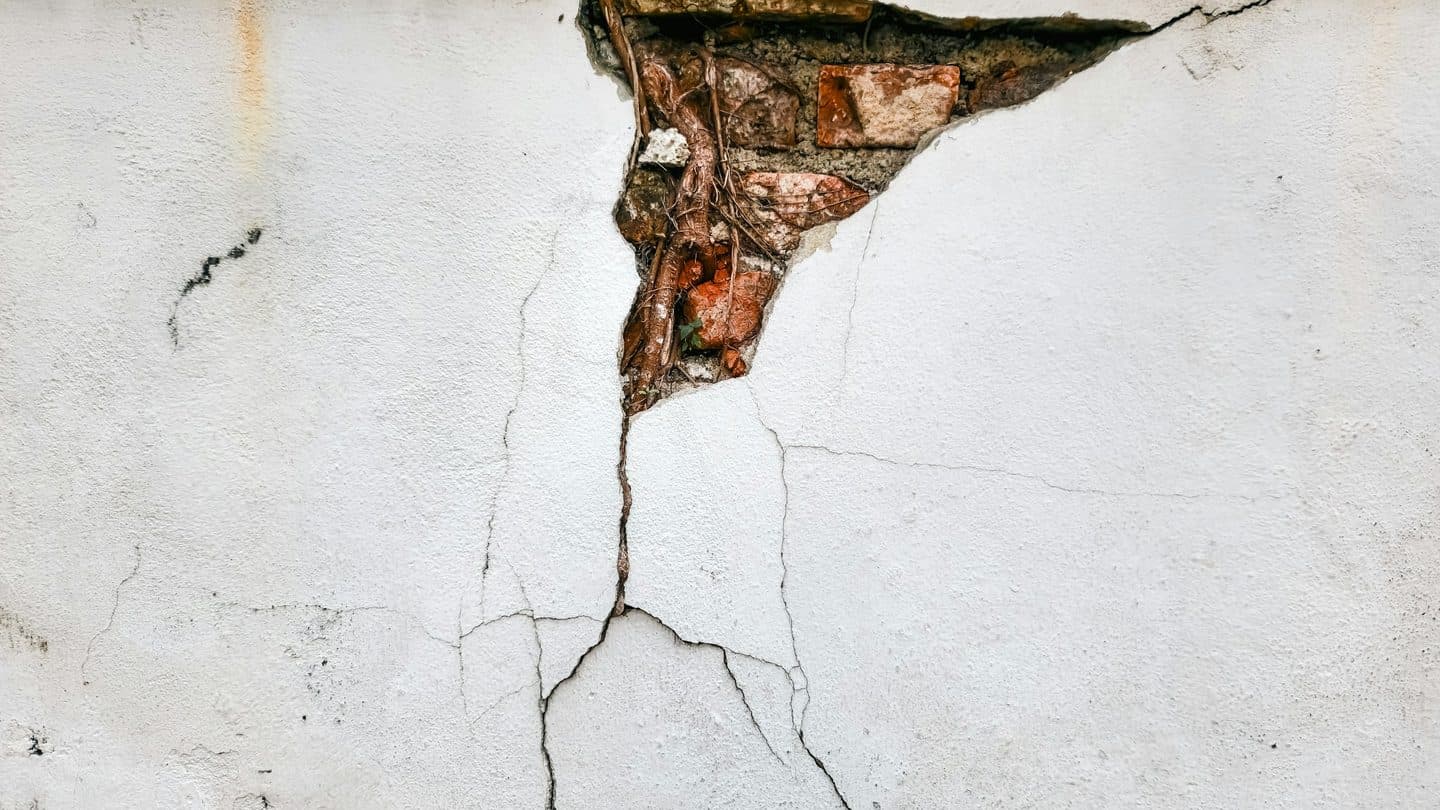
Yes. A crack you can see is not a failed sale. A lender who needs the house to sit still often will not fund it until an engineer writes whether it is still moving. Get that report tonight, even if a repair company already quoted you for free. Then you can tell if a regular loan is still in play.
Key Takeaways
- The engineer writes whether it is still moving. A free repair quote does not.
- A report does not fix the house. It tells a lender if the house sits still.
- Repair costs cash and time. Listing with the crack told costs price. Selling the work with the house is faster and usually cheaper on paper.
- A regular mortgage often waits until the house sits still. Cash does not need that loan.
Get the engineer report first
Find a licensed engineer who will write a report, even if a repair company already quoted you for free.
That quote is a sales call with a number on it.
It is not the same paper as a licensed report.
The engineer writes whether the house is still moving.
That person does not sell the piers.
A crack in the wall is a reason to get that paper.
Doors that stick, a floor that slopes, or a crack that opened again belong in the same look.
They are not a diagnosis from a blog.
A home inspector can notice a crack.
That inspector is not the person who writes whether it is still moving.
If the house is still shifting, a lender who needs it to sit still will still say no.
A report is a look.
It is not a repair.
You do not need a finished repair to start that paper.
Title can still change hands with a crack in the wall.
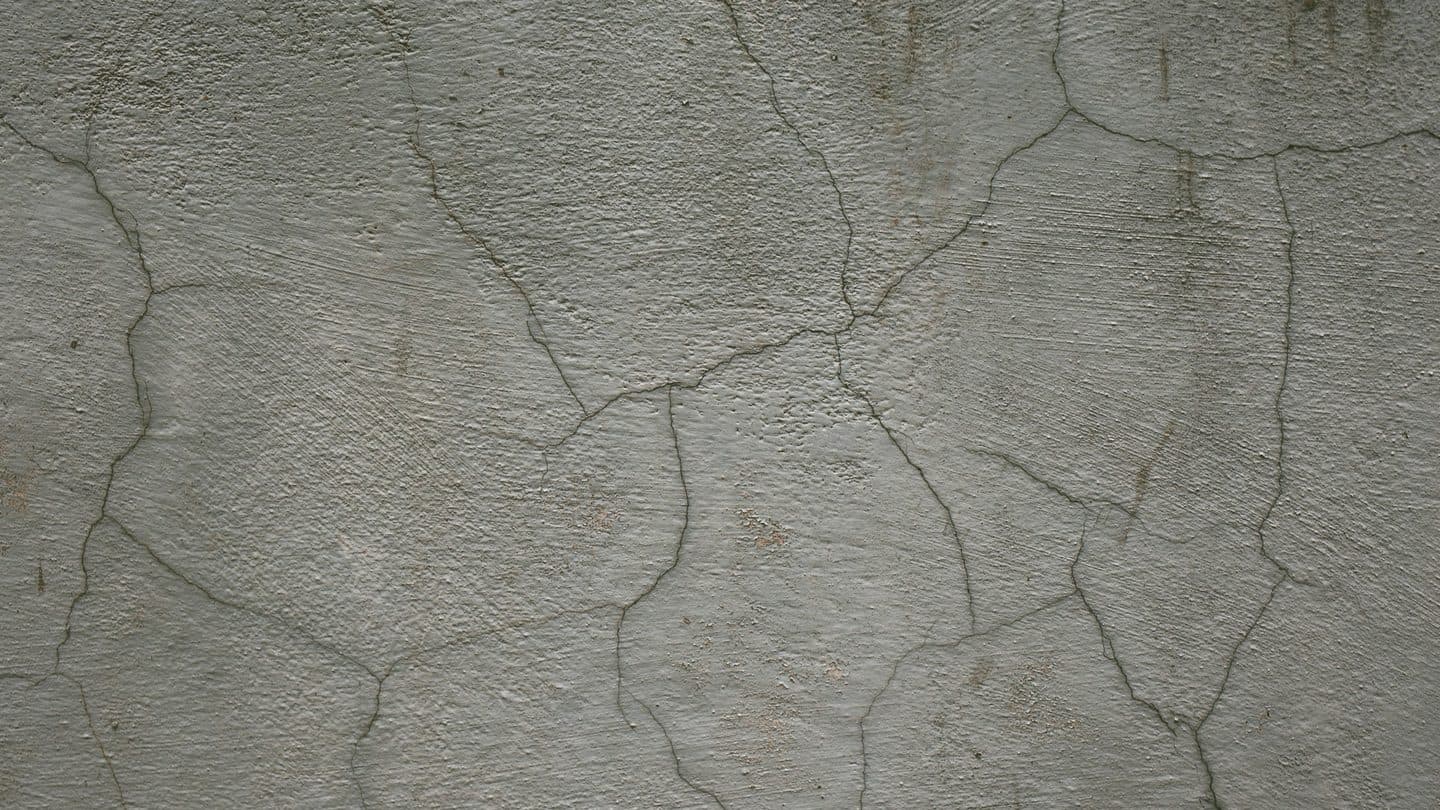
Gather the photos, any old report, and any repair or insurance papers you already have
You need photos of the crack, any old report, and any repair or insurance papers you already have.
A repair company is later, and only if a written report says the house still needs work.
The photos might sit in your phone camera roll from the day you first noticed it.
Take the inside and the outside if the same line shows in both places.
If a window or a door started sticking, a photo of that gap belongs with the crack photos.
Dates matter, because a crack that sat still for years is a different fact from one that grew this season.
Then find any old report.
It might sit in a closing file, an email, or a drawer with the survey.
An old report that said the movement had stopped is useful only if nothing new opened.
Then find repair papers you already have.
A paid invoice, a warranty, and a permit if one was pulled all belong in that pile.
Then find insurance papers if a claim was ever opened on this house.
If you got paid on a sinkhole claim, those papers are not optional later.
You will need them before a closing, not after.
A missing written report is still a crack you can see.
It is a thinner file.
It is not a house that cannot sell.
Look at whether water is still getting next to the wall.
Standing water, a broken gutter, or a slope toward the house is part of the file.
It is not a soil report.
If someone already sold you piers, keep that paperwork next to the new look, because the question is whether it actually stopped.
If the crack is in a garage floor, it still counts.
If it is only in a driveway, say so, because a driveway line is not the same as a wall that holds the house.
Keep names and dates on every paper you already have.
1. Hire a licensed engineer to look, not the company selling the fix
The person you want writes what is moving.
The person you do not want first is the one whose quote only works if you buy the piers.
A licensed engineer in Florida is a professional engineer.
You can search that license before you pay.
The Florida Board of Professional Engineers keeps that search.
Start there, even if a truck already left a card on the door.
A home inspector is a different license.
An inspector can say they saw a crack.
They generally cannot write the structural report a lender will treat as the answer.
Ask the engineer, out loud, whether they also sell the repair.
If they do, find someone else for the look.
The report is typically a few hundred dollars.
Treat any national repair average with suspicion.
You are not buying the repair tonight.
You are buying a written look.
Tell them you have photos, any old report, and any repair or insurance papers.
Ask them to say whether it is still moving, in plain words.
If they only give you a repair menu, you hired the wrong visit.
Do not hire that same firm to fix the foundation.
That split is the whole point of this step.
Some houses sit on a slab.
Some have a crawl space.
The report is about movement, not the label on the floor.
Bring the photos even if they already plan to visit, because a dated photo is a clock.
If they will not come to the house, they cannot write what is moving.
A paper-only opinion from photos is thinner than a visit.
Ask how they will check, in the yard and in the house.
2. Read whether it is still moving
Still moving means the house is still shifting, or the crack is still growing.
Old settlement means it moved, then it stopped.
Those are not the same fact.
A hairline in a slab can be old.
A stair-step crack in a block wall can be old too, or it can still be growing.
The report is what separates those.
Read the whole thing, including the last page where they say what they actually found.
If it never says whether movement is active, you do not have the answer yet.
Ask them to write that in a sentence you can hand to a buyer.
Monitoring means they want another look after time passes.
That is not a stall.
That is them saying one visit did not settle it.
If an old report said it had stopped, and a new crack opened, treat that as new.
A sealed crack that split the seal is a clue it moved again.
A door that started sticking this year is a clue.
None of those clues replace the report.
If water is still collecting at the wall, the movement story is not finished even if someone already sold you piers.
A pier job does not dry a wet yard.
Read for that too.
If they recommend work, read whether that work is to stop movement or to patch a cosmetic line.
Those are different jobs with different prices.
A patch over a line that is still growing is paint on a moving wall.
If two reports disagree, do not average them.
Ask a third licensed engineer, not the company that wants to sell the piers.
Keep the paper even if you hate what it says.
A buyer will ask for it anyway.
Level readings, if they took them, belong with the conclusion, not instead of it.
Photos in the report should match the photos you already had, or explain the new ones.
3. Tell the buyer, the listing agent, and title
A crack is easy to see.
A buyer can see a line in the block.
They cannot see whether that line is still growing.
Whether it is still moving is not obvious.
An old report in a drawer is not obvious.
A paid sinkhole claim is not obvious.
Florida sellers generally must tell a buyer known facts like that when they are not obvious.
The listing agent needs the same facts.
Title and closing need them too.
A lender who is funding a regular mortgage will ask as well.
Listing agents generally have to be honest about known foundation facts too.
Selling as-is does not cancel that.
As-is means you are not promising to fix it.
It does not mean you can hide a crack you already know about.
It does not mean you can hide a report you already paid for.
Every owner on title has to agree to the sale.
The engineer does not have to.
Hand over the photos, the report, and the repair or insurance papers with the rest of the file.
A surprise at inspection is how a regular sale dies late.
If you already know it is still moving, say that in the same breath as the crack.
The visible line is not the whole fact.
A buyer attorney will ask the same questions title asks.
Give them the file once, in writing, instead of a story that changes.
4. See if a regular loan still works
The house still has to pass as a house.
A report does not fix a leak.
It does not hide mold.
It does not make a roof at the end of its life pass.
If the house needs other work, the foundation paper does not clear those items.
Taxes, insurance, and whatever is still due on your loan still run while you wait.
Compare what reaches the account after fees, carry, and any work.
A regular mortgage usually needs an appraisal.
If that appraisal says the house is still moving, the loan often waits on a repair.
FHA and VA look at whether the house is safe enough to fund.
They are not an automatic no on every crack.
Active structural movement can block those loans.
An old settled crack is a different conversation.
Cash skips that loan test.
Ask whether this house would fund if the crack were the only issue.
Then ask whether other work would still kill the loan.
If a sound roof and a dry interior would still not fund, the crack is not the only closed door.
Clearing a foundation report does not clear a failed roof.
An investor loan is a different product.
It still needs the house to stand as a house.
There are fewer of those loans than loans for a buyer who will live there.
Do not treat a cash offer as proof the house failed a loan.
It may only mean that buyer does not need one.
If the report says old settlement, a regular loan can still work.
If the report says it is still moving, that regular loan is usually gone until the movement stops.
Some lenders add their own extra caution on top of FHA or VA.
That is why two buyers can get two answers on the same crack.
5. Decide if you wait and repair, list it as it sits, or sell it as it sits
You can wait and repair, then list it.
That reopens buyers who needed a regular mortgage.
It is often the higher sale price.
The catch sits in the same breath.
You need the cash, or a way to fund the work without a loan on a house that will not fund yet.
You carry the house until the work is done and a new look says it stopped.
If it is still moving after the work, you paid and you still do not have a regular loan.
You can list it as it sits, with the crack and the report told in the open.
If the report says old settlement, some financed buyers can still close.
If the report says it is still moving, a regular mortgage usually cannot.
The sale price is often lower than a repaired regular listing.
Compare what reaches the account, not the repaired house down the street.
You can sell it as it sits to a buyer who will take the house and the work.
That buyer takes the crack, the report, and whatever the repair will cost.
The contract price is usually the lowest.
There is no listing wait.
There is no repair calendar on your side.
Whether it nets more depends on the scope, whether you can fund a repair, and how long you can carry.
If you wait through a long repair, what does the carrying cost do to the higher repaired price.
If the house is still moving, where does the repair money come from if a loan will not fund this condition.
If a roof is also failed, does a foundation repair even reopen a regular sale.
A repair company that wrote a free report has a reason to make the work look large.
Get the licensed look first, then price the work from more than one firm.
Permits, if the work needs them, belong in the wait-and-repair path.
Listing as it sits still means showings, an inspection, and a buyer who can see the crack.
It is not a secret sale.
Selling as it sits is faster because you are not waiting on a crew or a listing calendar.
When it is old settlement, or you already have sinkhole papers
Old settlement and still moving are different clocks.
Old settlement can be a house that dropped years ago, then sat.
Still moving is a house that is dropping, tilting, or opening new lines now.
A buyer who needed a regular mortgage may still fund old settlement if the report says it stopped.
They usually cannot fund still moving.
A hairline you have watched for years is not automatically serious.
A new stair-step crack that grew this season is not automatically a small one either.
The report is the thing that sorts them.
Florida sinkhole claim papers are a separate pile if you have them.
If you got paid on a sinkhole claim, you generally have to tell the buyer before closing.
Do not guess that rule from a listing blog.
If you never had a sinkhole claim, you do not invent one for the file.
You still tell the crack you can see, and whether it is still moving.
The Florida Board of Professional Engineers keeps a licensee search.
This is the official Florida PE board search page.
It is for an owner who needs a written engineer report before paying for piers.
You go there to search the engineer before you pay.
That page sends you to the state license search.
Use this one because it is the official Florida PE board, not a repair-company directory.
Start at https://fbpe.org/licensure/licensee-search/
Do not hire that same firm to fix the foundation.
The Florida Senate publishes the sinkhole claim report rules.
This is the official state text on telling a buyer about a paid sinkhole claim.
It is for an owner who already got paid on a sinkhole claim, or who has those papers in a drawer.
You go there to read the official rule on telling a buyer.
If you got paid on a sinkhole claim, you generally have to tell the buyer before closing.
You also generally have to say whether that money was used to fix the house.
Use this one because it is the official state text, not a summary from a listing site.
Start at https://www.flsenate.gov/Laws/Statutes/2025/627.7073
What to do next
If the house will still finance, and the work is not still-moving structure, call an agent.
That is the better path, and it is the one we will tell you to take.
If selling it as it sits is what is left, use /get-offer/.
Bring the actual report, the actual photos, and the actual timeline.
Sending this house on that form is closer than another hour of national foundation blogs.
We are the buyer, not a lead broker.
If we are not the right buyer, we will say so.
No is a complete answer.
Common questions
Can I sell a house with a bad foundation?
Yes. A crack you can see is not a failed sale. A lender who needs the house to sit still often will not fund it until an engineer writes whether it is still moving. Get that report tonight, even if a repair company already quoted you for free. Then you can tell if a regular loan is still in play.
Will a bank finance a house with foundation problems?
A lender who needs a regular mortgage usually wants the house to sit still. If it is still moving, the appraisal often comes back with a repair condition, and the loan waits. FHA and VA look at whether the house is safe enough to fund. That is not an automatic no on every crack. An old settled crack is a different conversation from active movement. Cash skips that loan test. The house still has to pass as a house.
Do I have to tell buyers about the foundation?
A crack is easy to see. Whether it is still moving is not. Florida sellers generally must tell a buyer known facts like that when they are not obvious. The listing agent needs the same facts, and so does title. Selling as-is does not cancel that. As-is means you are not promising to fix it. It does not mean you can hide a report you already have. This is general information, not legal advice.
Should I repair the foundation before selling?
Repairing first usually nets the most, if you have the cash and can wait. You carry the house while the work finishes. If it is still moving, the work has to stop that, or a regular loan still fails. If the movement is old and the house will still finance, call a local agent. We are the wrong call in that case. Compare what reaches the account after repairs, fees, and months of carry.
Is a foundation crack always a serious problem?
No. A crack can be old settlement that already stopped. It can also be a house that is still moving. Those are not the same fact. Hairline lines in a slab or a stair-step crack in a block wall are clues, not a blog diagnosis. The report is what tells you which one you have. A crack you can see is still a fact you tell. It is not automatically a failed house.
What should I do tonight if the foundation looks bad?
Find a licensed engineer who will write a report, even if a repair company already quoted you for free. Search that person on the Florida professional engineer board before you pay. A free repair quote is not that paper. You do not need a finished repair to start the look.
Additional helpful resources
 Florida Board of Professional Engineers, licensee search
This is the official Florida PE board licensee search. It is for an owner who needs a written engineer report before paying for piers. You search the engineer before you pay, and the page sends you to the state license search. Use this one because it is the official Florida PE board. Start at the URL on this card. Do not hire that same firm to fix the foundation.
 Florida Senate, sinkhole claim reports
This is the Florida Senate page on sinkhole claim reports. It is for an owner who already got paid on a sinkhole claim, or who has those papers in a drawer. You read the official rule on telling a buyer. If you got paid, you generally have to tell the buyer before closing, and say whether that money was used to fix the house. Use this one because it is the official state text. Start at the URL on this card.