Can you sell a house in probate?
 Written by Valentina Daza
Published August 22, 2026
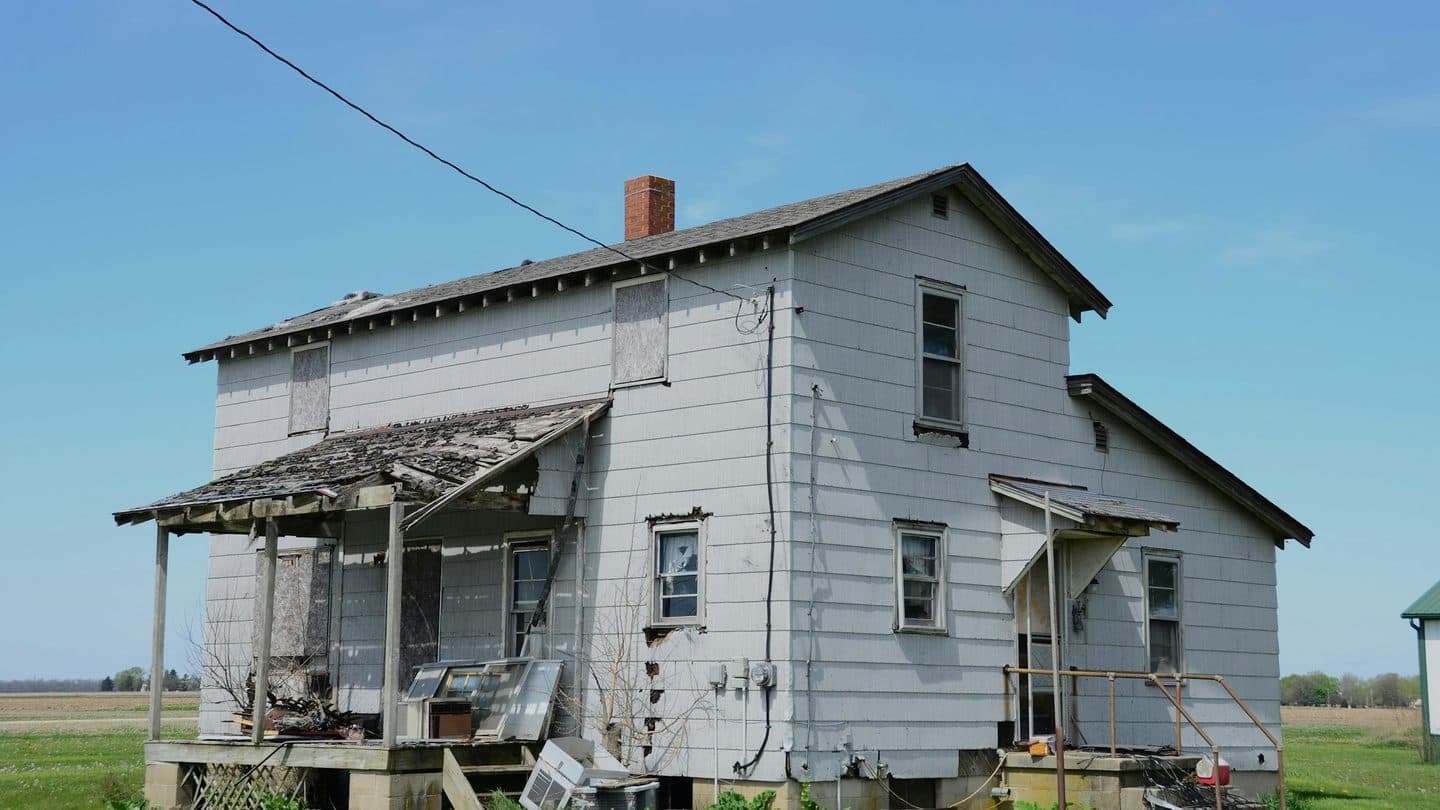
Often yes. Many states allow a house to be sold during probate, though the process depends on the authority the executor holds. With full authority a sale can proceed much like a normal one. With limited authority the court may need to confirm it, which adds time and can expose the agreed price to being overbid.
Key Takeaways
- Whether the court must approve the sale depends on the authority granted to the executor.
- Some states allow an approved sale to be overbid in open court.
- The estate carries every holding cost until the sale closes.
- Probate houses are frequently sold as-is because the estate has no cash for repairs.
Authority decides almost everything
The first question is not about the house, it is about the paperwork. An executor or administrator granted broad authority can usually market and sell with little court involvement. One granted limited authority may need the court to confirm the sale before it closes.
That distinction changes the timeline, the certainty and sometimes the price. In some states a confirmed sale can be opened to overbidding at the hearing, which means an agreed buyer can be outbid in the room.
Ask the estate attorney precisely which authority was granted, and whether your state permits overbid. Those two answers shape the entire strategy.
Why probate houses are usually sold as-is
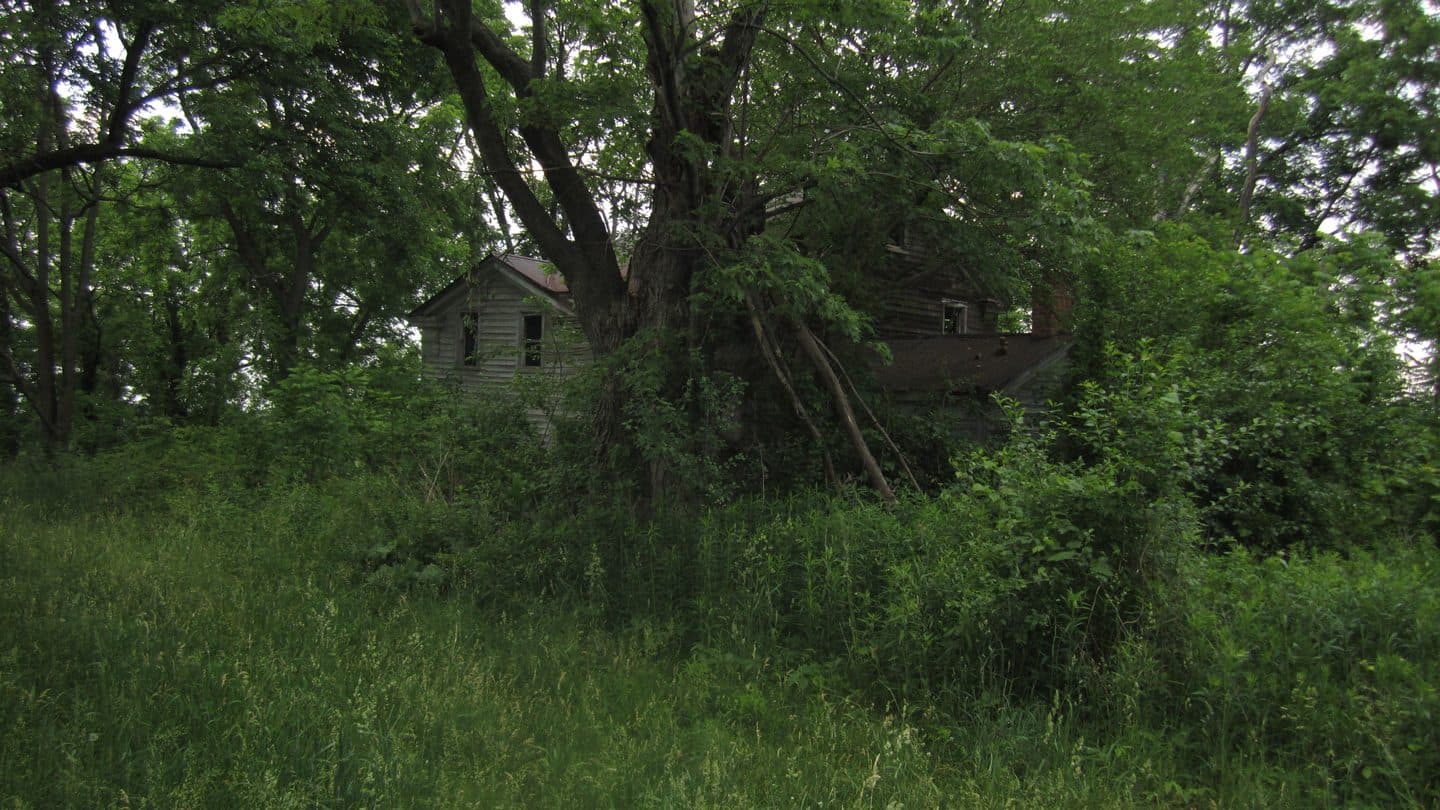
Estates rarely hold spare cash, and the inherited house often needs work, a bad foundation or a new roof, after a period of declining maintenance.
Meanwhile the estate keeps paying. Property tax, insurance, utilities and any mortgage all continue, and the insurance often costs more once the house is treated as vacant.
That is the honest arithmetic behind most probate sales. It is not that as-is is preferred, it is that repairing first requires money nobody has and time the estate is paying for.
What to do first
Confirm the executor's authority in writing. Confirm whether the court must approve a sale and whether overbid applies. Tell the insurer the property status and ask what coverage remains. Contact the mortgage servicer if there is a loan.
Then get an honest read on the two paths, with the holding cost of the slower one included. A sale that takes four extra months is four more months of estate expense, and that comes out of what the heirs eventually receive.
Common questions
Does the court have to approve a probate house sale?
It depends on the authority granted to the executor and on state law. Broad authority often allows a sale with minimal court involvement, while limited authority may require confirmation at a hearing. The estate attorney can confirm which applies.
What is overbidding in a probate sale?
In some states a sale requiring court confirmation can be opened to competing bids at the hearing, meaning an agreed buyer can be outbid in the room. Whether this applies depends on your state and on the executor's authority.
Can a probate house be sold as-is?
Yes, and most are. Estates rarely have cash for repairs and heirs are seldom willing to fund them personally. Since holding costs continue throughout, selling as it stands is often the option that preserves the most value for the beneficiaries.
Additional helpful resources
 Florida Courts
Florida state courts.
 Florida statute Chapter 733 (2026), probate
Florida probate statutes.
 Florida statute 732.901 (2026), production of wills
Production of wills.
 Florida statute 475.278 (2026)
What a real estate licensee must disclose.