Can I sell a house with fire damage?
 Written by Valentina Daza
Published August 22, 2026
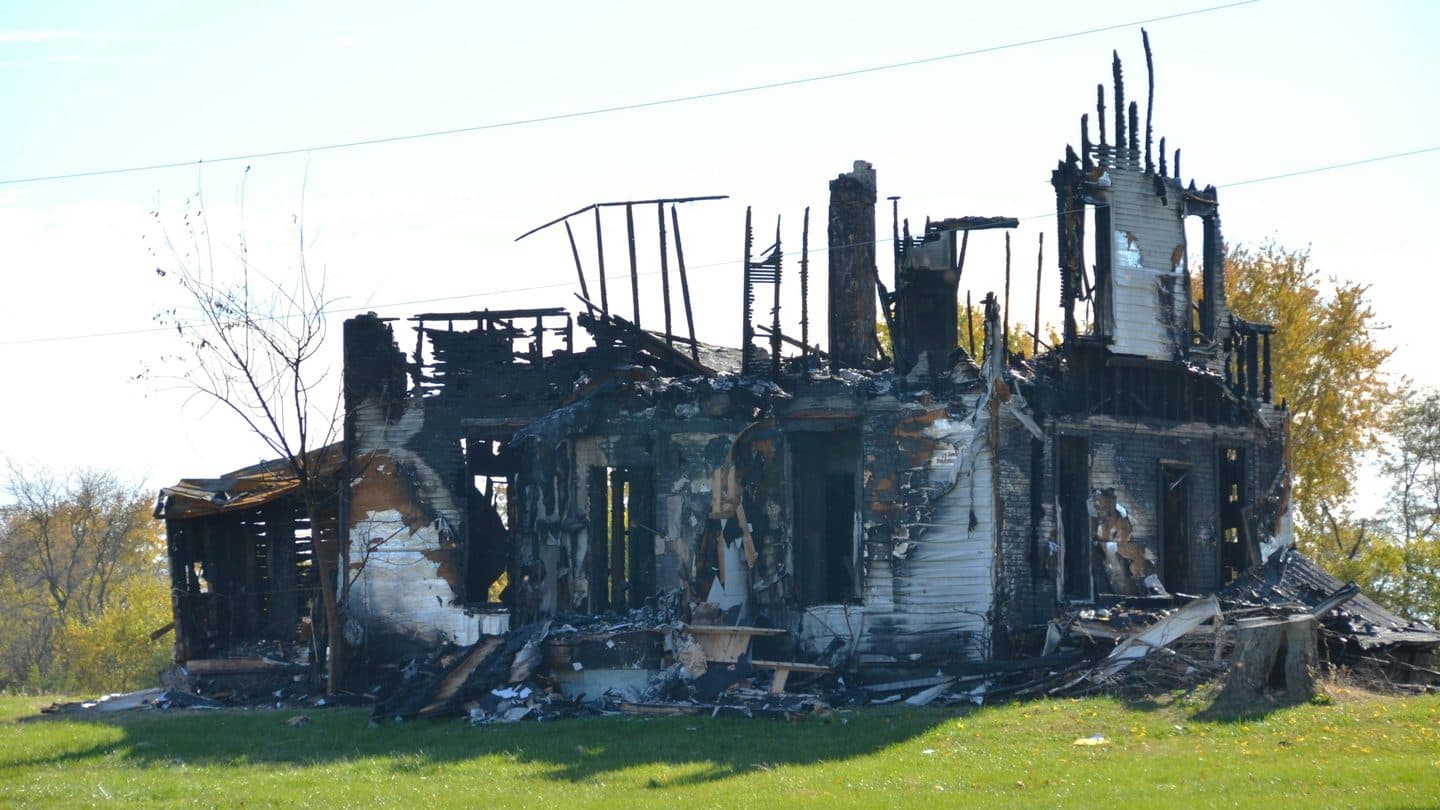
Yes. Fire damaged houses sell regularly. What changes is who can buy one and how the insurance money is controlled. If a claim is open, the insurer often pays in stages tied to repair progress, and a lender will rarely fund a house with unrepaired fire damage. That combination is what closes the ordinary exits, not the fire itself.
Key Takeaways
- An open claim can complicate a sale, because the payout may be tied to the work being done.
- Mortgage lenders generally will not fund a house with unrepaired structural or electrical fire damage.
- Smoke and water damage often cost more to put right than the burn itself.
- You must disclose a fire, including one that was fully repaired, in nearly every state.
The claim is usually the complication, not the burn
Owners assume the damage is the obstacle. More often it is the insurance mechanics. Many policies release funds in stages against completed work, and if there is a mortgage the lender is typically named on the cheque, which means the money is not simply yours to spend or to walk away with.
At the same time the damage closes the lending door for a buyer. An appraiser will flag unrepaired fire damage, and conventional, FHA and VA loans all become difficult or impossible until it is corrected. That leaves cash buyers and renovation loans.
So the practical question is who controls the insurance money, what the policy will still pay, and whether you have the time and appetite to manage a rebuild. Get your adjuster to put the remaining payable amount in writing before you decide anything.
Smoke and water are usually the bigger bill
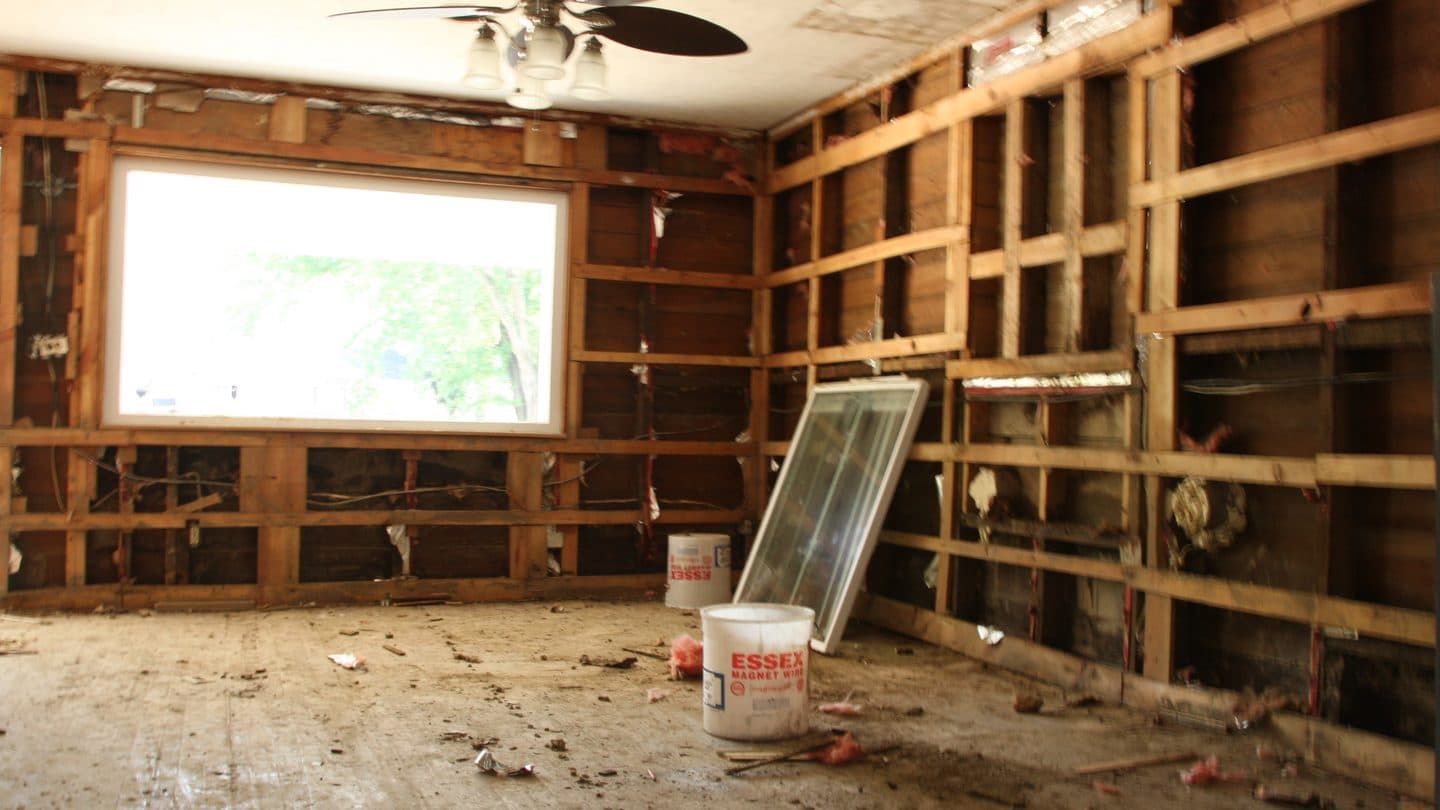
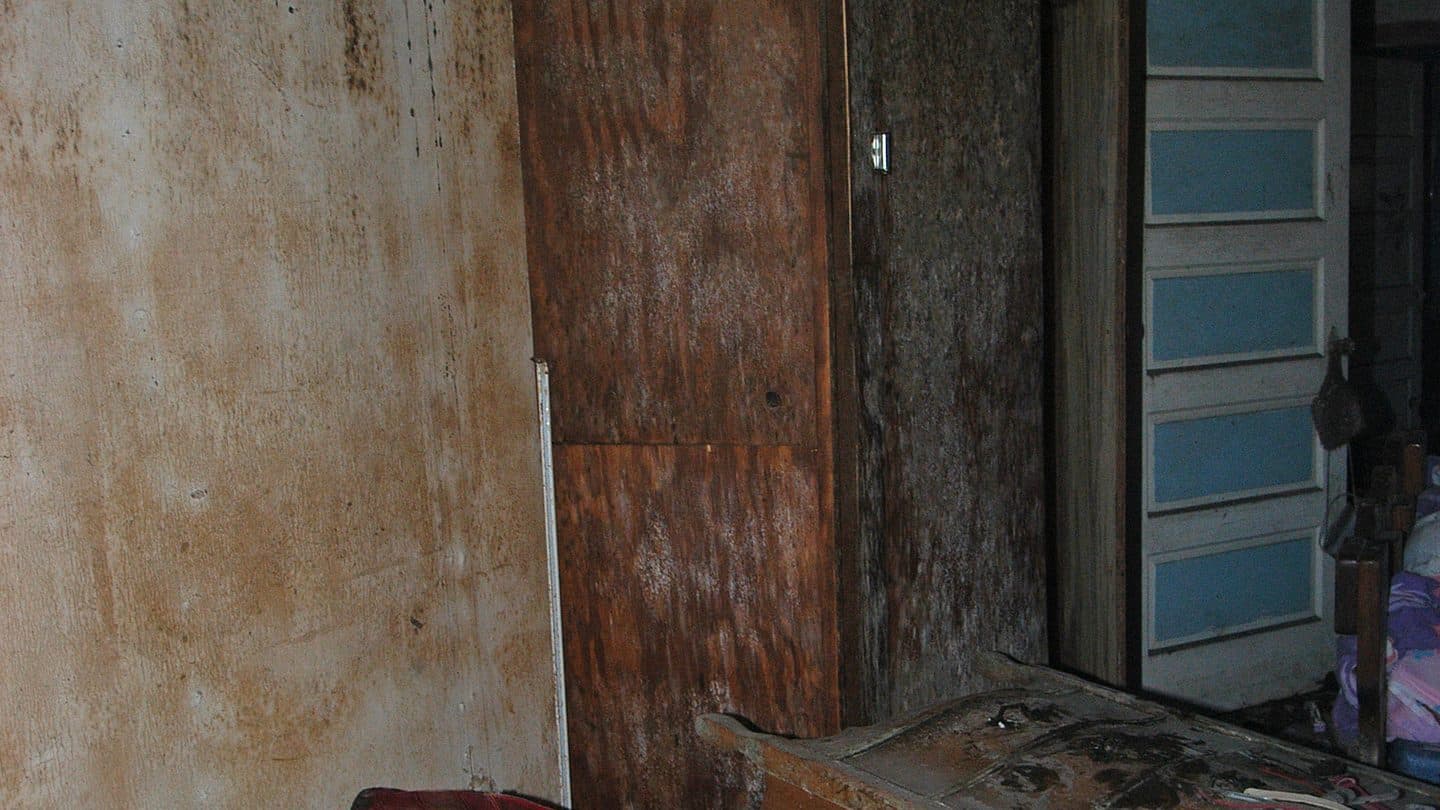
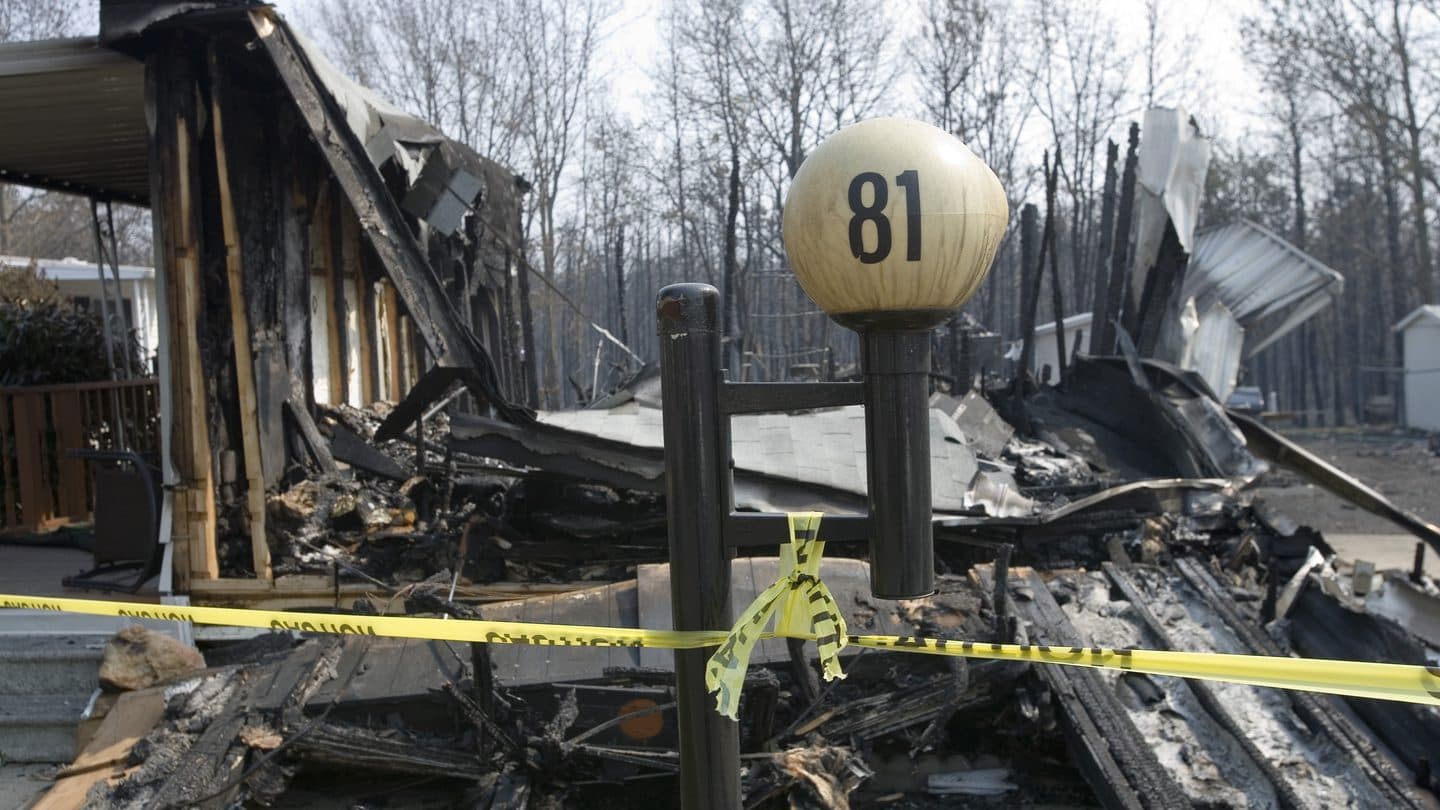
Fire is put out with water, and the water goes everywhere. Soaked insulation, saturated subfloor and hidden moisture in wall cavities, including the mold that moisture invites, routinely cost more to remediate than the visibly burned area.
Smoke is the other underestimated one. Smoke residue travels through ductwork and settles into porous surfaces, and odour remediation is a specialist job. A house that looks fine can still fail the nose test, and buyers notice immediately.
This is why a contractor quote based on the burned room alone tends to be optimistic. Get the scope written after a moisture survey, not before.
Rebuild it, or sell it as it stands
Rebuilding puts the house back into the financed buyer pool, which is much larger, and if insurance covers most of the work the economics can be good. The costs are time, the management burden of a rebuild, and the risk that the scope grows once walls are opened.
Selling as it stands is faster and removes the rebuild risk from you, at a lower price. It tends to make sense when the claim is closed or underpaid, when you cannot fund the gap between the payout and the real cost, or when you simply do not want to run a construction project.
Either way, compare the net rather than the price. A rebuild that takes eight months is eight more months of payments, taxes and insurance on a house you are not living in.
Common questions
Do I have to disclose a fire if it was fully repaired?
In nearly every state, yes. A past fire is generally a material fact even after professional repair. Documented repairs with permits and invoices usually reassure a buyer far more than silence, and the history often surfaces in an inspection or insurance record anyway.
Can I keep the insurance money and sell the house as is?
Sometimes, but not always. If there is a mortgage, the lender is often named on the payout and may control its release. Policies also frequently withhold the final portion until work is complete. Ask your adjuster for the remaining payable amount in writing before assuming the money is yours.
Will a bank lend on a fire damaged house?
Generally not until it is repaired. Appraisers flag unrepaired fire damage and lenders typically condition the loan on correction, with FHA and VA stricter still. This is why the buyer pool for an unrepaired fire damaged house is mostly cash and renovation loans.
Additional helpful resources
 Florida State Fire Marshal
Florida fire marshal office.
 Florida statute 627.7142 (2026), Homeowner Claims Bill of Rights
Homeowner Claims Bill of Rights.
 Florida DBPR, construction license search
Check the rebuild contractor.
 Florida DBPR, how to verify a license
How to verify a Florida license.