How do I sell a house to move into assisted living?
 Written by Valentina Daza
Published August 22, 2026
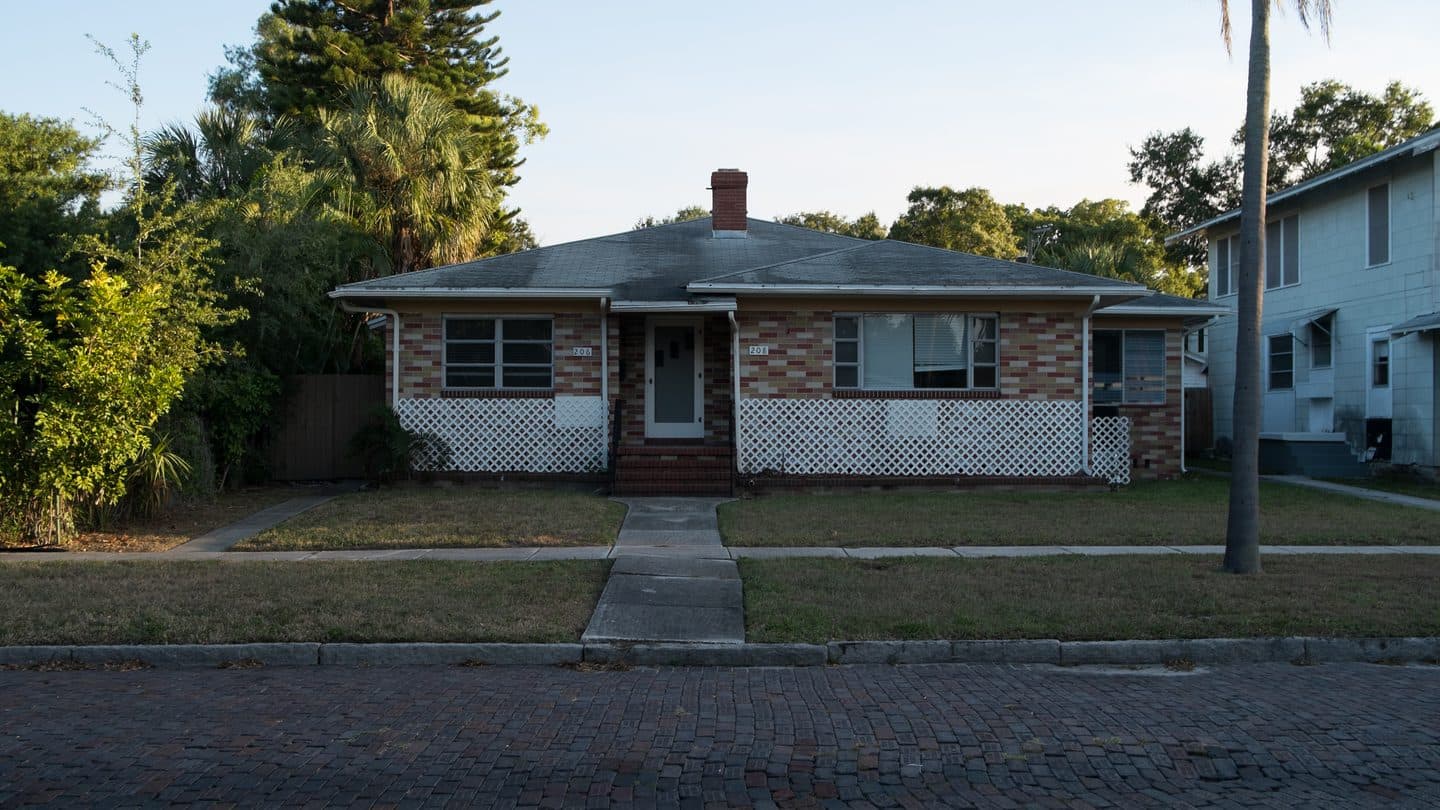
The sale itself is ordinary. What is different is that the deadline is set by a care placement rather than by the market, and the house has usually been lived in for decades and needs work nobody has done for years. Those two facts together are what make this hard, because the timeline does not allow for the repairs that a full retail sale would want first.
Key Takeaways
- The move-in date drives everything. A sale that fits the market may not fit the placement.
- Deferred maintenance in a long-held home is normal, and it is what narrows the buyer pool.
- The contents are usually the harder problem, and clearing a house is genuinely expensive.
- Get advice on care funding before selling, because the sale can affect benefit eligibility.
Talk to somebody about benefits before you sell anything
This is the one point on this page worth acting on before any other. Selling a home converts an asset that may be treated one way into cash that is treated differently, and that can affect eligibility for needs-based programs that help pay for care.
The rules here are genuinely complicated, they differ by state, and they involve look-back periods on transfers. What is true for one family is not necessarily true for another, and this is not something to work out from a website, including this one.
Speak to an elder law attorney or a certified benefits counsellor before the house is sold or transferred. That conversation costs a few hundred dollars and it regularly changes what the right move is.
If somebody has advised you to simply give the house to a family member to protect it, get a second opinion first. That approach has consequences that are frequently not explained.
Why the timeline is the real constraint
Here the timing is usually set by something else: a bed becoming available, a discharge date from a hospital, or a decline that has made the current arrangement unsafe, and a reverse mortgage becomes due when the borrower leaves.
That inverts the normal advice. The standard counsel is to repair, paint, stage and list, which reliably produces the highest price and reliably takes months. When the placement date is six weeks away and the deposit is due, that path is not available regardless of what it would have netted.
There is also a cost to the family that does not appear anywhere on a settlement statement. Coordinating repairs and showings on a parent's home while managing a care transition falls on somebody, usually an adult child, usually while working.
The right answer is not automatically the fast one. It is the one that matches the actual deadline, and it is worth establishing what that deadline really is before choosing.
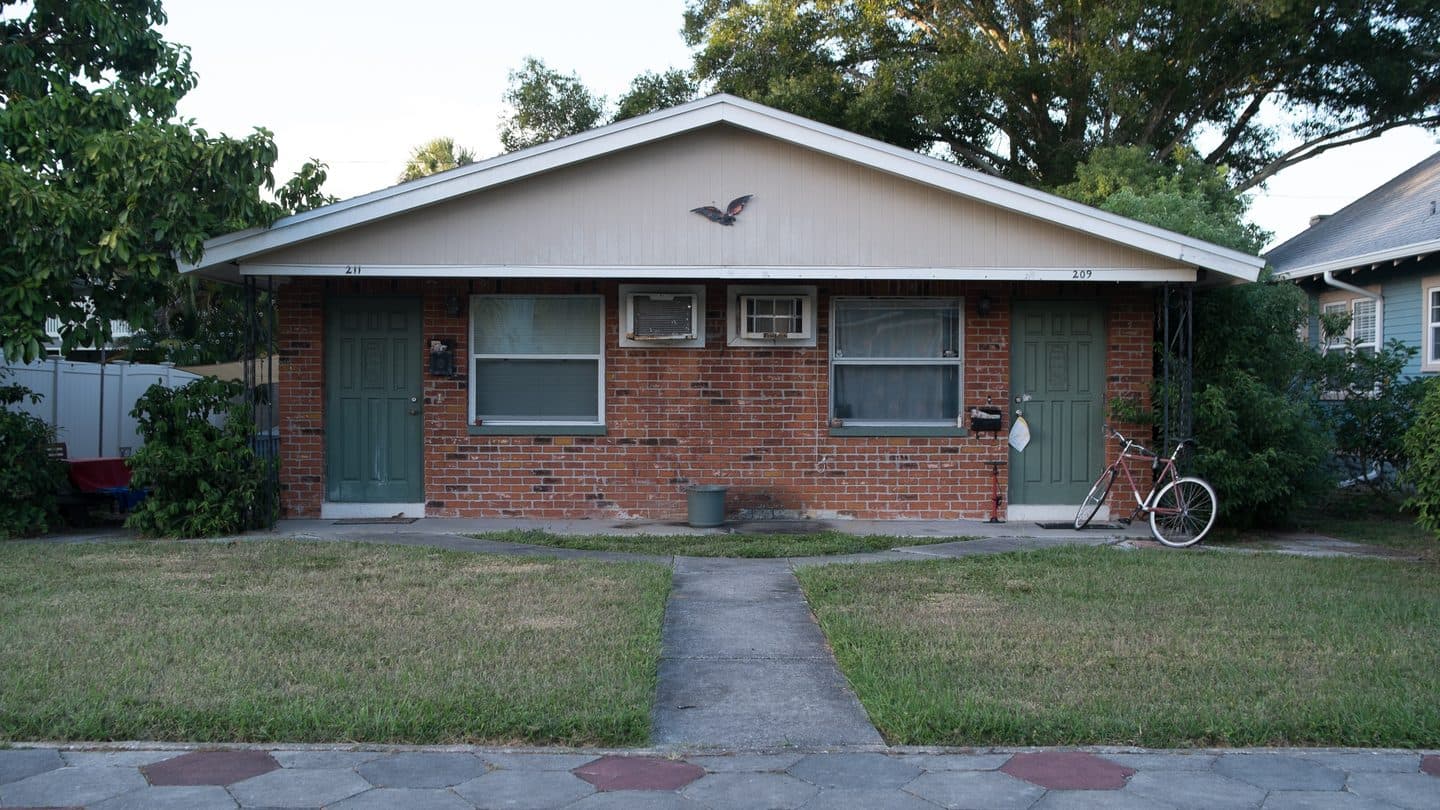
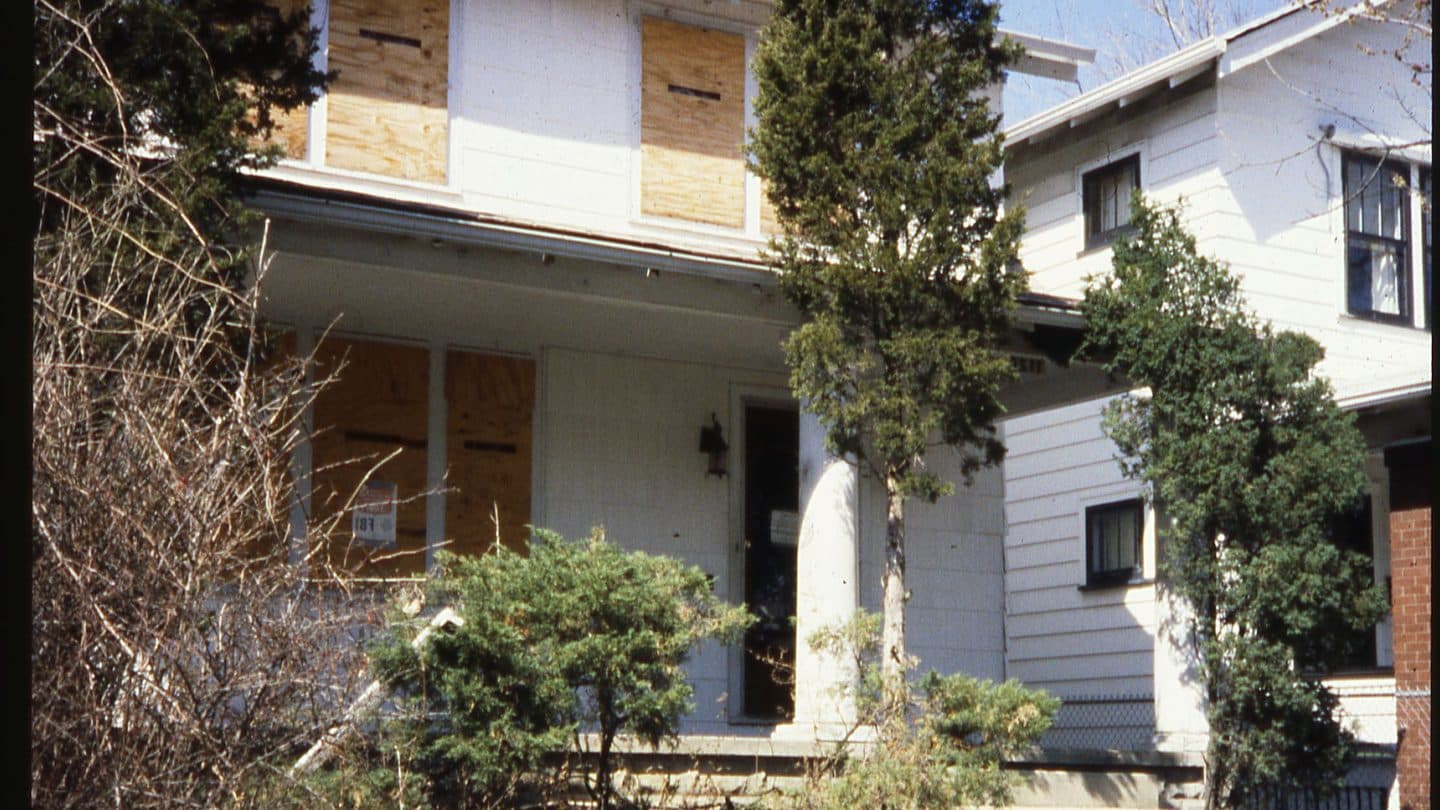
The condition question in a house held for forty years
The roof is at the end of its life because roofs are, the kitchen is from a different era, the systems are original, and none of it mattered because it worked.
It matters at sale because a buyer's lender orders an appraisal, and an appraiser flags what is at end of life. Where financing gets conditioned on repairs, most retail buyers drop away, and the house that seemed obviously sellable turns out to reach a much smaller audience than expected.
This is the mechanism families are usually surprised by. They are not selling a house in bad condition. They are selling a house whose condition quietly removed the buyers who needed a mortgage.
Knowing that in advance lets you choose deliberately: fund the repairs and reach the full market, or sell as it sits to the buyers who remain and accept the difference in price for the difference in time.
The contents are usually harder than the house
Families consistently underestimate this. Forty years of belongings, much of it meaningful, has to be sorted by people who are also managing a health crisis and their own feelings about a parent leaving home.
There are practical routes. Estate sale companies will sell contents and take a percentage. Auction houses will take specific categories. Clearance companies will empty a property for a fee, and that fee is often larger than people expect. Donation collection covers some of it.
It is also worth knowing that selling a house as it sits normally means as it sits, contents included. For some families removing that task entirely is worth more than the difference in price, and for others the contents include things that should not be handed to a stranger. Both are legitimate.
Decide it consciously, and keep anything irreplaceable out of the equation before anybody walks through.
Common questions
Should I sell the house before moving into assisted living?
Speak to an elder law attorney or a benefits counsellor before deciding. Selling converts an asset into cash, which can affect eligibility for needs-based programs that help pay for care, and the rules vary by state and involve look-back periods on transfers.
Do I have to fix up the house first?
Not necessarily, and often the timeline does not allow it. Repairing and listing generally produces the highest price and takes months. If a placement date is fixed, the realistic comparison is between the price you would get after repairs you cannot complete in time and the price available now.
What do we do with everything in the house?
Estate sale companies sell contents for a percentage, clearance companies empty a property for a fee, and auction houses take specific categories. Selling as it sits usually includes the contents, which removes the task entirely, so decide first whether anything in there should not be included.
Why would a buyer's mortgage be refused on a well-kept older home?
Because an appraiser flags systems at the end of their life, such as roof, electrical or plumbing, or a bad foundation, and lenders can condition the loan on repair.
How fast can a house actually be sold?
A cash purchase can close in a matter of weeks once title is clear, since there is no lender appraisal or underwriting. A financed retail sale takes longer, and if repairs are required first, longer again. The right choice depends on when the money is genuinely needed.