How do I sell a house I inherited?
 Written by Valentina Daza
Published September 13, 2026
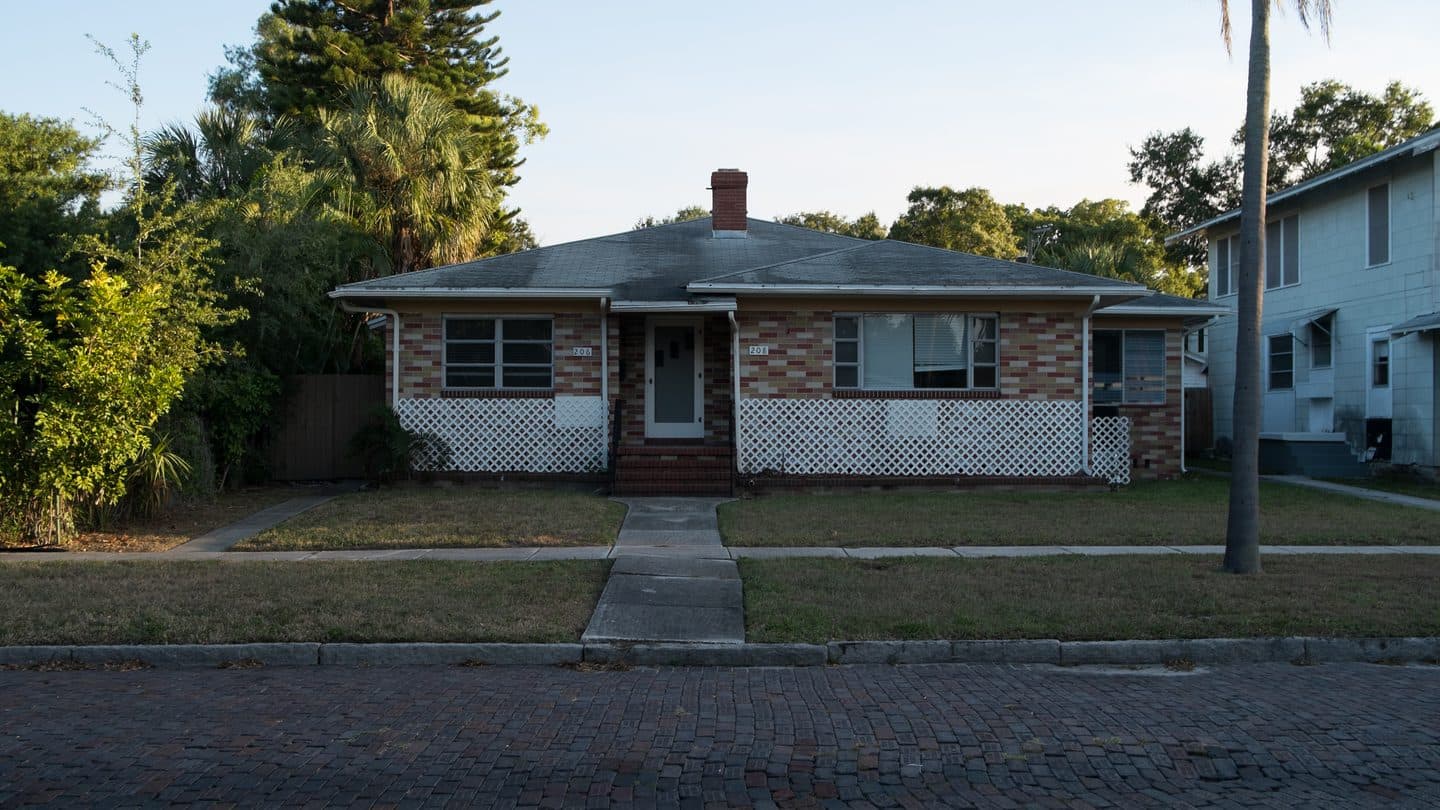
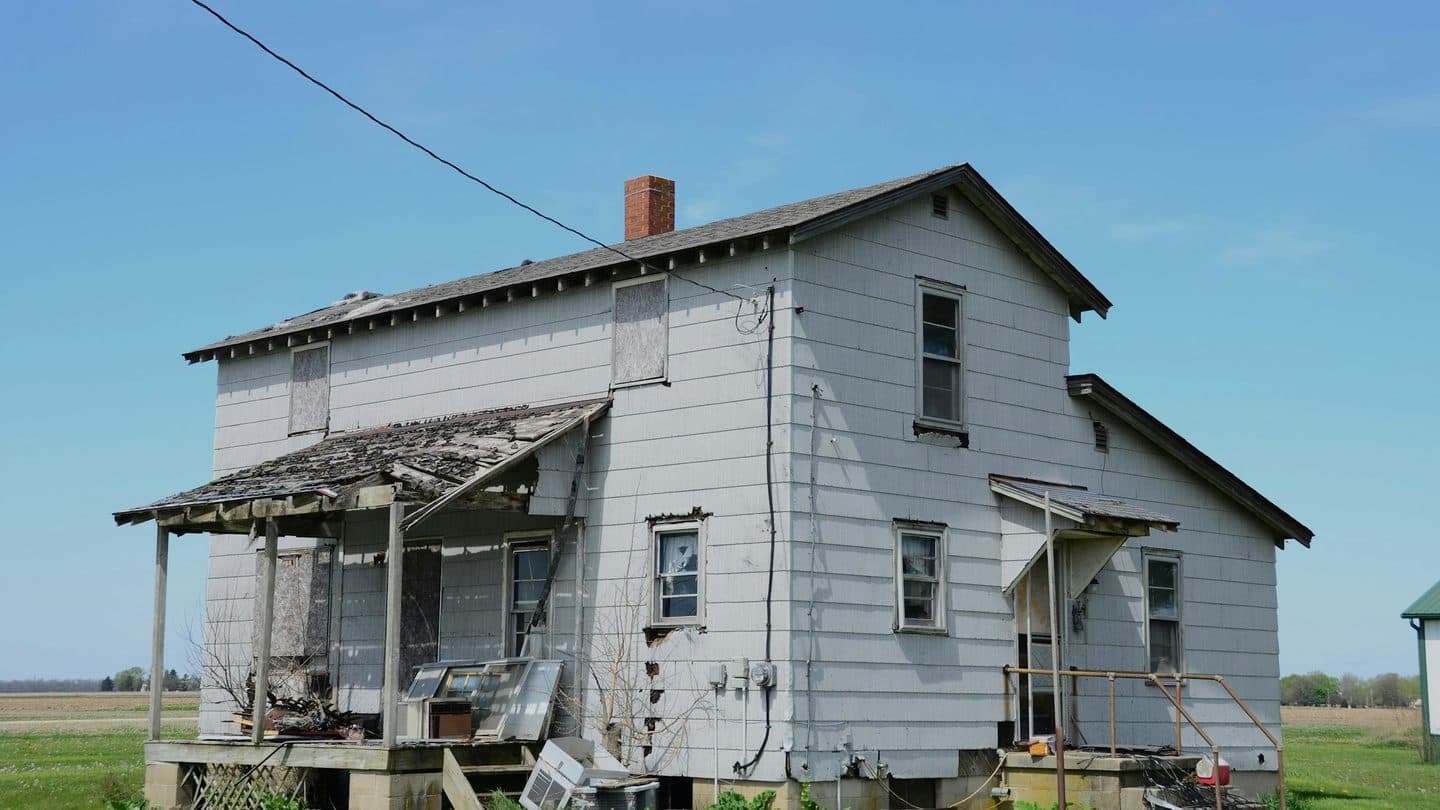
Yes. You can sell a house you inherited once title is yours or the estate has someone who can sign. Bills, insurance, and any mortgage keep running from the date of death, before that paper arrives. Some deeds already passed the house without a full probate file. If title is clean and the house will finance, list with an agent. If not, wait for the signer, or sell as-is on the estate timeline.
Key Takeaways
- Title or a court-appointed signer comes before a listing signature.
- Bills start at the date of death. Vacancy can change the insurance.
- Every person already on title usually has to agree.
- Stepped-up basis often means gain is measured from value at death, not what the person paid decades ago. Confirm with a tax pro.
The clock starts before title does
Find who can sign the deed today, even if your name is on the will.
Inheriting a house does not, by itself, put the pen in your hand.
The closed door is title: who already owns the house on the recorded deed, or who the court has appointed to speak for the estate.
An heir later is not the same as a living owner who can convey title today.
Bills do not wait for that paper.
Taxes, insurance, utilities, and any mortgage keep running from the date of death, often weeks or months before anyone is appointed.
That gap between the costs and the authority is the real frustration of an inherited house.
Some deeds already passed the house into living names without a full probate file.
A living trust can do the same.
If that paper already moved the house, you are not waiting on a full probate sale.
If the deed is still in the dead person's name, the estate usually has to open a file and appoint a personal representative before anyone can sign a listing or a contract.
People still say executor.
Florida usually calls that appointed person a personal representative, and the letters are the paper that proves they can sign.
Condition still sits underneath.
If the house will not finance, that is a second closed door stacked on title.
Grief is not the mechanism.
The job tonight is the deed and the court file, not another national blog about what inheriting feels like.
If your name is on the will and still missing from the deed, you are waiting on paper, not on permission from a buyer.
That is why the first screen of this job is who can sign, bills that already started, and whether a deed already moved the house.
Gather the will or trust papers, death certificate, deed, tax bill, insurance policy, and mortgage statement if any
You need the will or trust papers, a death certificate, the recorded deed, the latest tax bill, the insurance policy, and the mortgage statement if a loan is still open.
Those papers answer who owns the house, who might be appointed, what it costs to carry, and who has to be told.
The will may sit in a drawer, a safe, or a lawyer's office.
If a living trust held the house, pull that trust and any deed that put the house into it.
The death certificate is what insurers, lenders, and the clerk usually ask for first.
The recorded deed is the title fact.
Read whose name is on it.
See whether more than one living person already holds title.
See whether a trust is named.
The tax bill tells you what the county is still charging while the house sits.
The insurance policy tells you who is still on the policy and whether anyone has already told the carrier the house is empty.
If a mortgage is still in the dead person's name, the servicer statement is the starting point for that call.
Do not invent a clerk packet from a cash-buyer inherited-house form.
Put the papers in one folder so every owner, the personal representative, and later a title company see the same facts.
Missing paper is how a listing appointment turns into a stalled contract.
The diagnostic is the deed and the court file, not a lead site worksheet.
1. See if title already passed or probate still has to open
Start with the recorded deed, not with a listing appointment.
If living people already hold title, or a trust already holds it, a full probate sale may not be what you are waiting on.
Some deeds can pass a house without a full probate file.
That is a Florida title fact, not a blog guess.
Read the deed slowly before you assume a court file is required.
If the house is still in the dead person's name, search the clerk by that person's name, not by the street.
A name search shows whether a probate file was opened and whether letters were issued.
Florida blocks full probate file images on many public sites, so the docket line still matters even when you cannot open every PDF.
In Hillsborough, that search runs through HOVER.
In Pinellas, that search runs through the clerk's court records tools on the probate services page.
A clerk can show you whether a file exists and can issue a certified copy of the letters once they exist.
A clerk cannot be your probate lawyer.
Florida usually wants a Florida attorney on a Formal Administration.
You can still drop off the original will without a lawyer, and there is no fee for that drop-off in the usual clerk practice.
If nobody is appointed yet and the deed is still in the dead person's name, the next spend is opening the file, not painting for a listing you cannot sign.
If letters already exist, get a certified copy before you spend money on staging or a long listing plan.
Title will ask for that paper anyway.
2. Call the insurer about vacancy and keep paying the bills
Taxes, insurance, and utilities keep running from the date of death whether or not anyone can sign a deed yet.
Any mortgage keeps running too.
Those months come out of what heirs eventually receive.
Insurance is the trap worth naming out loud.
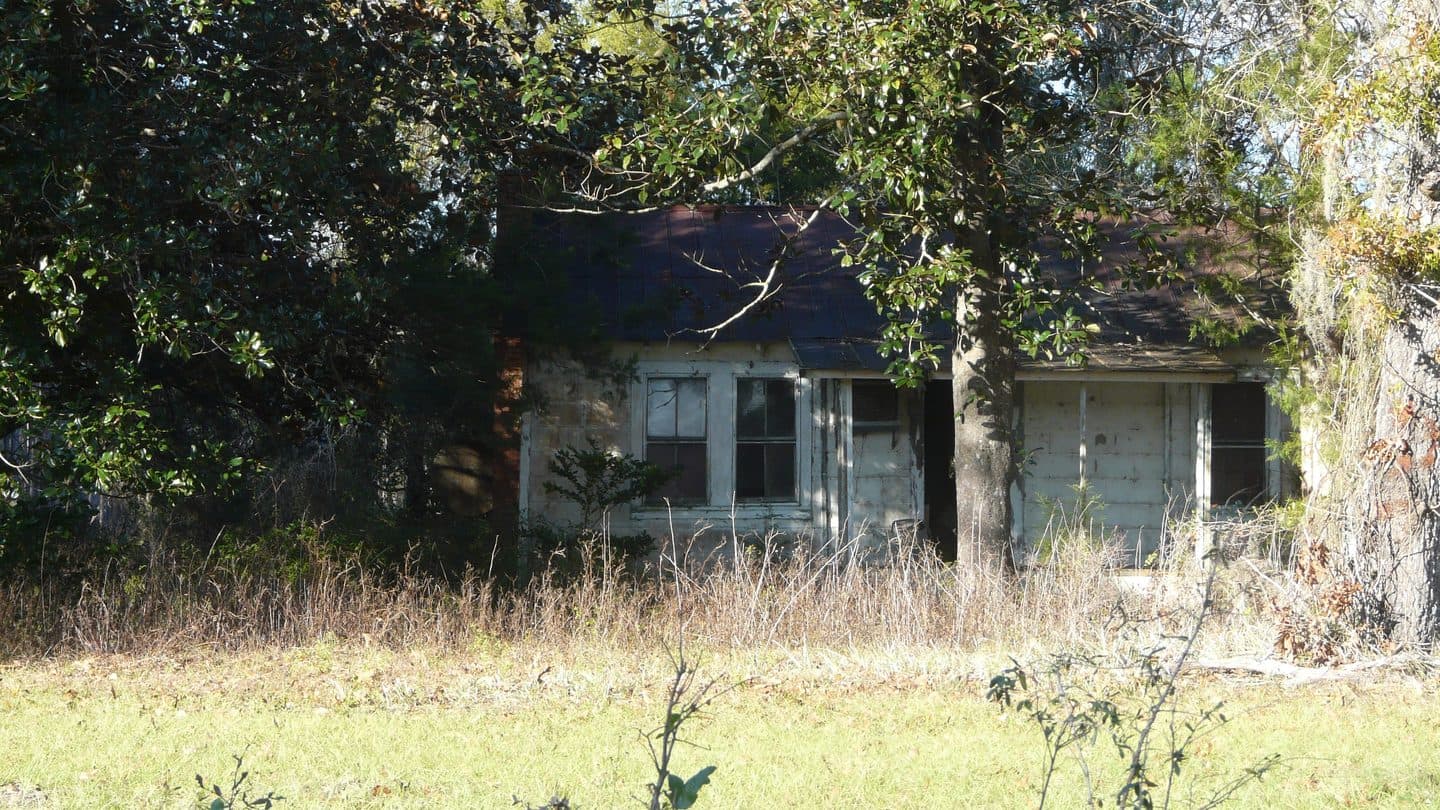
Once nobody lives there, many policies treat the house as vacant.
Vacant-home coverage is often narrower, and it can cost more.
Call the insurer, tell them the house is empty, and ask what the policy does now.
Do not guess a day count from a national blog.
If a mortgage is still in the dead person's name, contact the servicer early.
Tell them who died, and ask what they need so the loan does not become a default problem while you wait on title.
Federal rules generally protect an inheriting relative's ability to take over a loan, but the servicer still has to be told.
Keep the tax bill and the utilities current through the estate.
Carrying cost is not a reason the house cannot be listed once someone can sign.
It is a reason to stop treating the wait as free.
Write down what the estate is paying each month for tax, insurance, utilities, lawn, and the loan if one is open.
That monthly number belongs next to any repair-and-list versus as-is comparison you make later.
3. Get every owner on title (or the personal representative) aligned
If several people already hold title, every owner on title usually has to agree to a sale.
That is the same rule as any other sale.
An heir named in a will who is not on the deed yet is not the same as an owner who already is.
If the house is still in the estate, the personal representative with letters is usually the person who signs.
Beneficiaries and heirs do not each have to sign just because they will inherit later.
They still have to be treated fairly, and they can object when the file gives them that right.
A fight among heirs can slow a sale even when the personal representative has authority.
Homestead is the extra Florida fact in plain words.
If the house was the person's homestead, it often is not sitting in the estate the way a bank account is.
The people who received it, and a spouse or a person living there if that is the case, may have to agree.
Title companies want a clean chain.
They will ask who is on the deed, whether a probate file was opened, and who is allowed to sign.
You do not need a buyer's permission to sell.
You do need the people on title, or the estate person who can sign.
When siblings disagree, put both nets in front of everyone: repair-and-list versus sell as it sits.
When people can see both numbers, the argument is usually arithmetic, not principle.
A court can be asked to order a sale when owners already on title will not agree.
That path is slow and expensive, so take it to the estate or probate attorney on the file rather than treating a how-to as the courtroom.
If one owner already on title wants to keep the house and another wants cash, a buyout conversation is often faster than a court fight.
Price that buyout against a real as-is net and a real repair-and-list net so nobody is arguing from a feeling.
4. Price repair-and-list vs sell as it sits with honest nets
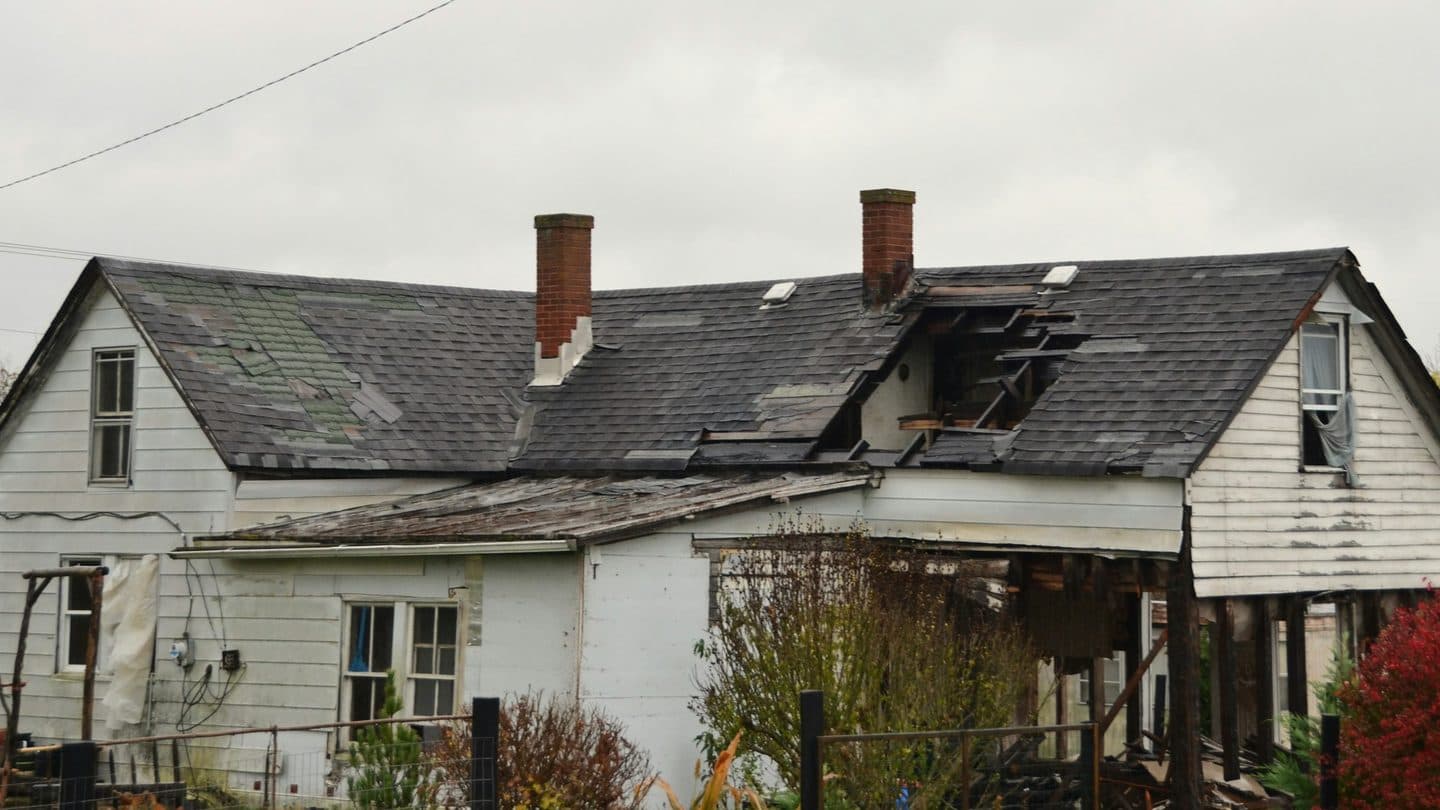
Inherited houses are often decades behind on maintenance because the person living there could not keep up with a roof, a foundation, or the systems.
Inherited does not skip an appraisal.
A lender still looks at the roof, the structure, and the systems the same way it would on any other sale.
If the house will not finance, most retail buyers are gone until the work is done or the price reflects the work.
Repair-and-list produces a higher contract price when someone will fund the repairs and carry the house through a listing.
It also needs cash and time.
Selling as it sits produces a lower contract price, sooner, with no one writing a repair cheque.
Compare what reaches the estate after fees, carry, and any work.
Do not compare a retail list price on clean title to an as-is number on a file that is not ready.
Selling as-is does not hide known physical problems.
You still disclose a leak, a bad foundation, or mold you know about.
As-is means you are not promising to fix the house.
It does not mean you can hide a known defect.
Cash can still close when a financed buyer cannot live with the condition.
Cash does not skip the court file or the letters.
It skips the lender's repair condition.
If title is already clean and the house will finance, ask what selling as-is actually buys you besides speed.
If nobody can sign yet, ask where a listing date comes from.
Multiple heirs often want different outcomes because they have different cash and different patience.
Honest nets usually settle that faster than a speech about what Mom would have wanted.
Clerk doors, stepped-up basis, and homestead in plain words
File probate in the county where the person lived.
Tampa and Brandon files go to Hillsborough County circuit court.
Brandon is unincorporated Hillsborough County, so there is no City of Brandon probate court.
St. Pete, Clearwater, and Largo files go to Pinellas County circuit court.
Same statewide rules, different clerk windows, different file numbers.
The Hillsborough Probate, Guardianship, and Trust department is the clerk hub for wills, estates, and guardianship filings.
For a name search on whether a file was opened, use HOVER at https://hover.hillsclerk.com/html/case/caseSearch.html
The Hillsborough clerk phone is (813) 276-8100, and mail is P.O. Box 3360, Tampa, FL 33601-3360.
The Pinellas probate services page is https://www.mypinellasclerk.gov/Home/Court-Services/Probate
Pinellas court records search starts from the clerk tools linked there, and the probate desk is (727) 464-3321, Room 106, Clearwater Courthouse, 315 Court Street.
Do not guess an email for that desk.
A clerk self-help desk is not a substitute for the file, and the Pinellas Self-Help Center cannot help with probate.
Formal Administration in both counties needs a Florida attorney, as those clerks print.
Statewide Florida Courts also keeps a probate resources page if you need the court system's own overview.
Stepped-up basis is the tax fact that often surprises people in a good way.
Inherited property generally resets its tax basis to the fair market value at the date of death.
Gain is measured from that number, not from what the person paid decades ago.
A house held for a long time can often be sold soon after with little capital gains tax, because the basis and the sale price sit close together.
Confirm your numbers with a tax professional.
Do not treat a general description as your return.
This is not a reason to take a cheap offer.
Homestead stays in plain words only.
If the house was homestead, who can sell and who must agree can be different from a regular estate asset.
Ask the estate attorney on the file before you assume the personal representative alone can convey it.
If someone is still living in the house under a lease, occupancy is a different problem on top of title.
A lease generally stays with the house, so clear title first, then deal with who can live there after a sale.
The deeper court-sale and who-can-sign walk-through lives on the probate page.
Use that page when the fight is court confirmation, letters, or a contested file.
Florida Courts' statewide probate resources page is https://www.flcourts.gov/Resources-Services/Court-Improvement/Family-Courts/Probate if you want the court system's own overview before you call a clerk.
What to do next
If title is already yours, or the personal representative is appointed and can sign, and the house will finance, call a local agent.
That is the better path, and it is the one we will tell you to take.
If the file is already a normal listing, we are the wrong call.
If selling as-is on the estate timeline is what is left, use /get-offer/.
Walk the actual deed, the actual letters, and the actual carrying costs.
Sending this house on that form is closer than another hour of national inherited-house blogs.
We buy houses in Tampa, St. Pete, Clearwater, Brandon, and Largo.
We are the buyer, not a lead broker.
If we are not the right buyer, we will say so.
No is a complete answer.
Common questions
Can I sell an inherited house before probate is finished?
You can list while probate runs if the personal representative already has letters and can sign. Preparation and marketing can often overlap with the rest of the estate file once that signer exists. If the deed is still in the dead person's name, the estate usually has to open a file and appoint a personal representative before anyone can sign a listing or a contract. Cash does not skip the court file or the letters.
Do I pay capital gains tax on an inherited house?
Inherited property generally resets its tax basis to the fair market value at the date of death. Gain is measured from that number, not from what the person paid decades ago. A house held for a long time can often be sold soon after with little capital gains tax, because the basis and the sale price sit close together. Confirm your numbers with a tax professional.
What if one sibling will not agree to sell?
If several people already hold title, every owner on title usually has to agree to a sale. An heir named in a will who is not on the deed yet is not the same as an owner who already is. When siblings disagree, put both nets in front of everyone: repair-and-list versus sell as it sits. A court can be asked to order a sale when owners already on title will not agree. That path is slow and expensive, so take it to the estate or probate attorney on the file rather than treating a how-to as the courtroom.
Who pays the bills while probate runs?
Taxes, insurance, and utilities keep running from the date of death whether or not anyone can sign a deed yet. Any mortgage keeps running too. Those months come out of what heirs eventually receive. Keep the tax bill and the utilities current through the estate.
Should I list if title is already mine?
If title is already yours, or the personal representative is appointed and can sign, and the house will finance, call a local agent. That is the better path, and it is the one we will tell you to take. If the file is already a normal listing, we are the wrong call. If title is already clean and the house will finance, ask what selling as-is actually buys you besides speed.
What should I do first?
Find who can sign the deed today, even if your name is on the will. You need the will or trust papers, a death certificate, the recorded deed, the latest tax bill, the insurance policy, and the mortgage statement if a loan is still open. Start with the recorded deed, not with a listing appointment.
Additional helpful resources
 Hillsborough Clerk, HOVER probate case search
This is Hillsborough Clerk's HOVER case search for probate and other court files. It is for an heir who needs to know whether a probate file was opened and whether letters were issued. Search by the dead person's name, not the street. Use this one because Florida blocks many full probate images on public sites, and the docket line still tells you if the file exists. Start at the URL on this card.
 Pinellas Clerk, Probate
This is Pinellas Clerk's Probate court-services page. It is for an heir with a Pinellas file who needs the clerk's own probate services, contacts, and links into court records. Use this one because it is the official county probate door for St. Pete, Clearwater, and Largo. Start at the URL on this card.