Can I sell my house if I am behind on payments?
 Written by Valentina Daza
Published August 22, 2026

Yes. Being behind does not remove your right to sell, and until a foreclosure sale actually completes you still own the house. If there is equity, selling normally protects far more of it than letting the process run. The thing that hurts owners most is waiting, because the amount owed grows every month with fees added.
Key Takeaways
- You can sell at any point before a foreclosure sale completes.
- Ask the servicer for a written payoff figure, not just the arrears.
- Fees and legal costs are added to the balance as the process advances.
- If there is equity, that equity is yours, and it is what a completed foreclosure puts at risk.
The condition of the house is often why the other exits closed
Most owners in this position tried other things first. A refinance to lower the payment. A home equity line to catch up. An agent who said it would sell quickly.
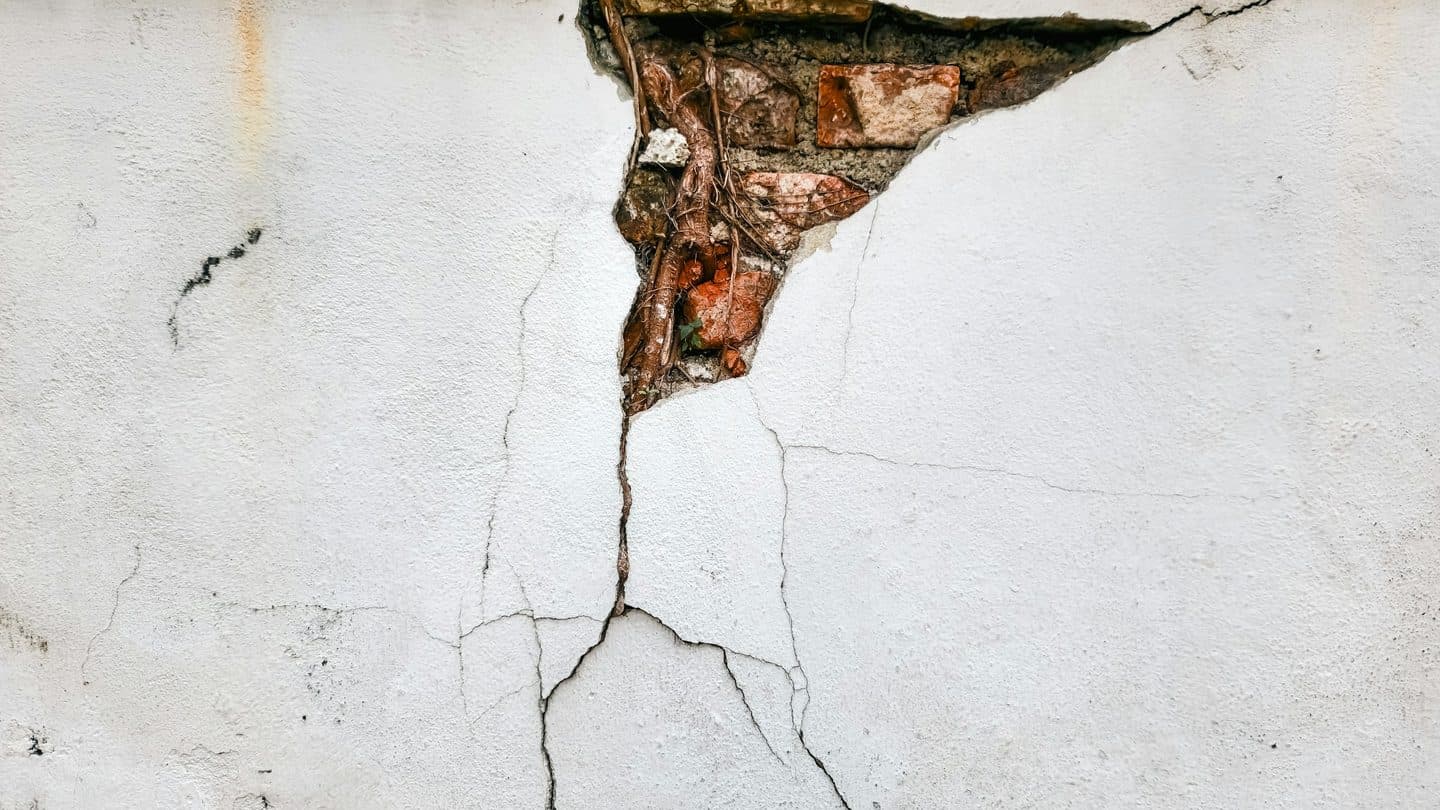
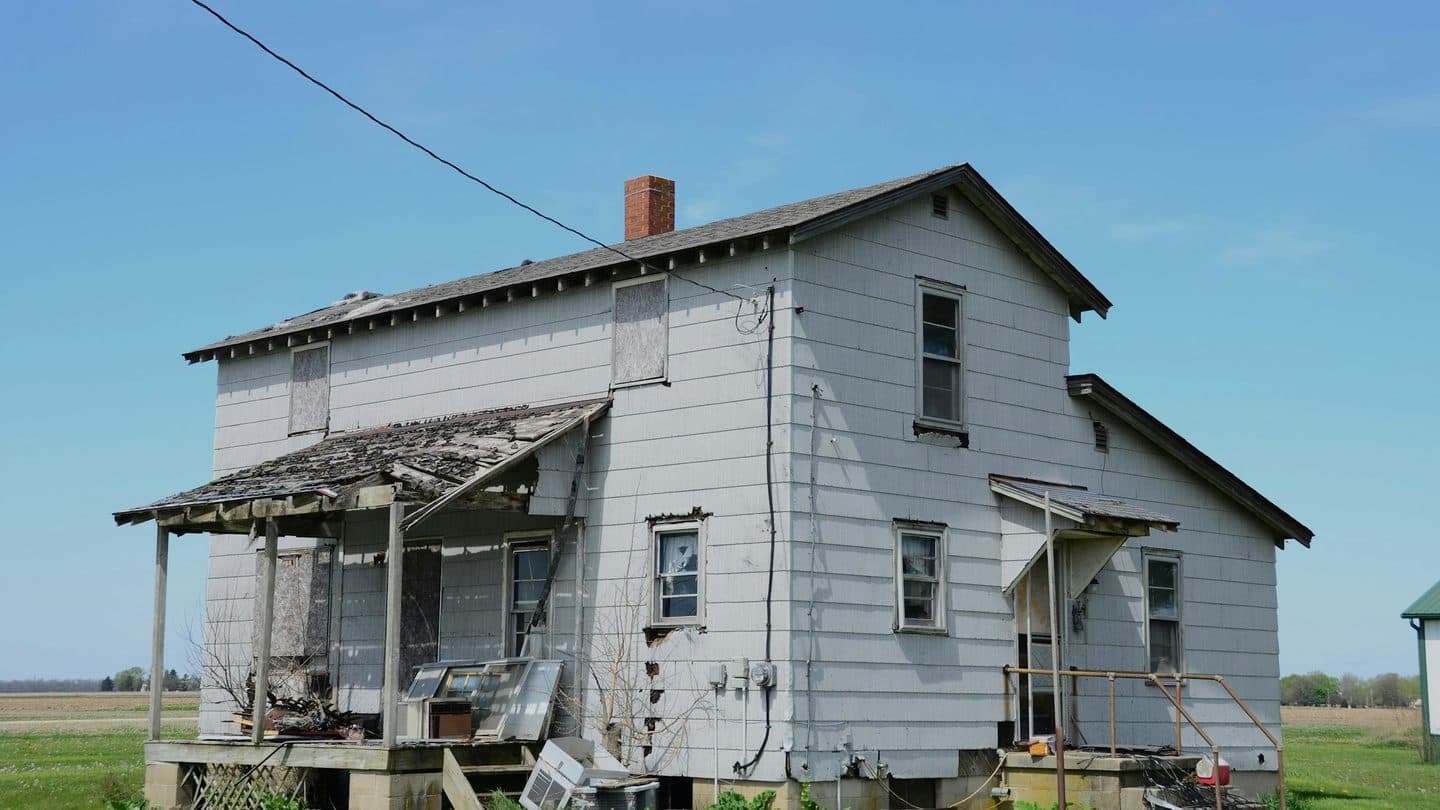
Those paths frequently close for the same underlying reason: the house needs work, often a bad foundation or a roof at the end of its life, so the appraisal will not support the loan, and a lender will not fund a house that will not pass.
Recognising that matters, because it changes what you go looking for. If the condition is what closed the doors, the solutions are the ones that do not depend on an appraisal.

Get the real number from the servicer
Two figures matter and they are not the same. Reinstatement is what it takes to bring the loan current. Payoff is what it takes to clear it entirely at closing. A sale needs the payoff figure.
Legal costs, late charges and advances for taxes or forced-placed insurance are added as the process advances, which is why waiting is expensive.
If the payoff exceeds what the house will sell for, that is a different conversation involving the lender, and it is worth having early rather than late.
Why the timeline is the real pressure
Foreclosure timelines vary widely by state, and whether the process is judicial or non-judicial changes the length considerably. What is consistent is that the balance grows throughout and the options narrow as it advances.
Selling earlier means more buyers, more time to negotiate, and more of any equity preserved. Selling late means fewer options and a bigger payoff to clear.
If there is equity in the house, it is yours, and a completed foreclosure is what puts it at risk. That is the whole reason not to wait.
Common questions
Can I sell my house during foreclosure?
Until a foreclosure sale actually completes you still own the property and retain the right to sell it.
What is the difference between reinstatement and payoff?
Reinstatement is the amount required to bring the loan current. Payoff is the amount required to clear the loan entirely at closing. A sale needs the payoff figure, requested in writing with a good-through date since it changes as fees accrue.
What if I owe more than the house is worth?
That is a different route, usually involving the lender agreeing to accept less than the balance. It requires their cooperation and documentation of hardship. Start that conversation early, because it takes time and the options narrow as foreclosure advances.