Can I sell a house with asbestos?
 Written by Valentina Daza
Published August 24, 2026
Yes. You can sell a house with asbestos. Disclose what you know. Intact material is often left in place. You do not have to remove it just to sell. A popcorn ceiling is not always asbestos. Do not scrape it to check. Damaged material that crumbles and can get into the air can block FHA or VA financing. You can leave it intact or seal it and list, remove it and list, or sell as-is.
Key Takeaways
- Intact asbestos rarely stops a sale. Damaged material that crumbles and can get into the air can stop or delay financing.
- You have to disclose known asbestos when you sell. Disclosing early filters the buyer pool instead of blowing up a contract later.
- A popcorn ceiling is not always asbestos. Get a licensed sample before you scrape or pay for removal. A free removal quote is a sales call.
- Compare what reaches your account after testing, sealing or removal, fees, and carrying costs. Not the list price. Leave intact material in place when it is sound.
The real problem is not the asbestos. It is the loan.
Most owners in this position assume asbestos makes the house unsellable.
It does not.
The house is sellable.
What the material does is quietly close the financed-buyer door you were counting on, if it is damaged or about to be torn into.
Intact material is a different case.
The EPA's public line is simple.
If the material is in good condition and nobody is going to disturb it, leave it in place.
Do not sand it, scrape it, or drill it.
Fibers become a problem when the material is disturbed, damaged, or crumbling so they can get into the air.
That is the real split, not that the house cannot be sold.
A conventional lender orders an appraisal.
If the appraiser sees damaged pipe wrap, crumbling ceiling texture, or broken cement siding that looks like it can shed, the loan is typically conditioned on more information, and sometimes on repair, before closing.
FHA and VA add a second layer because the house has to meet minimum property standards, not just a buyer's taste.
Their rules do not use the word asbestos as an automatic no.
They do require the house to be free of known safety hazards that affect the people who will live there.
Damaged material that crumbles and can get into the air is typically treated as that kind of hazard.
Intact floor tile, intact cement siding, or a ceiling that is sound and will not be scraped is typically not.
That single fact removes a large share of retail buyers only when the file looks like a hazard, because most retail buyers need a mortgage.
The same mechanism closes other exits at the same time.
A cash-out refinance to fund removal runs into the same appraisal.
A home equity line runs into the same appraisal.
A buyer who wants to renovate after closing still has to satisfy their own program rules.
Licensed work can be required before anyone sands a ceiling or tears out old tile, even when a sale would have been fine with the material left alone.
Cash buyers skip the lender step.
Renovation-loan buyers are a narrower slice.
So the question is almost never whether you can sell.
It is which of the remaining doors you want to walk through, and whether the material is intact enough that a lender will still stand in that door.
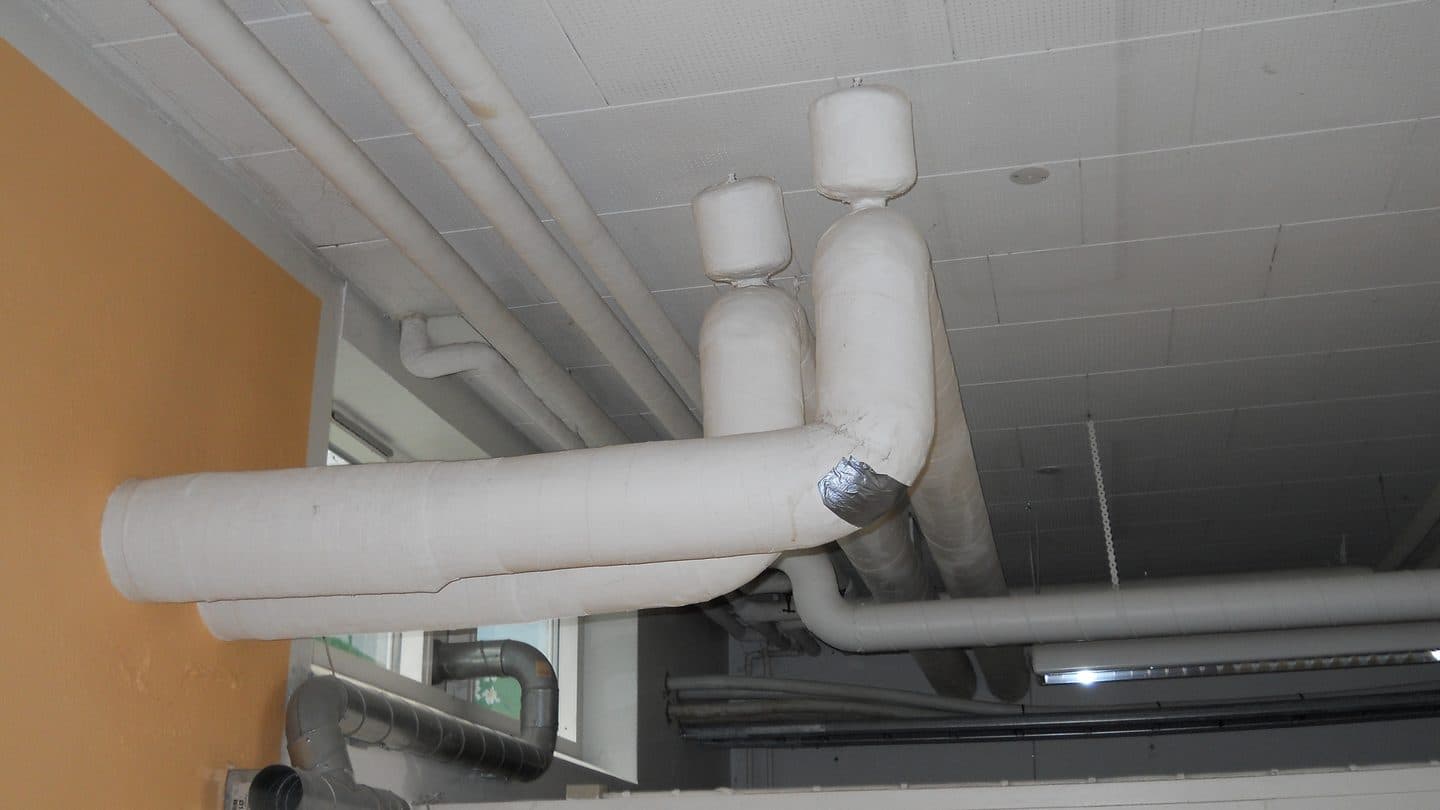
Do I have to disclose asbestos when selling a house?
Yes, if you know it is there.
Disclosure law varies by state, but the common rule is that you must disclose material defects you actually know about.
Known asbestos is treated as material nearly everywhere, because a reasonable buyer would want it before naming a price.
In Florida, sellers generally must disclose known facts that materially affect the value of the property and are not readily observable to the buyer.
Listing agents have a matching duty on residential sales to tell the buyer about known facts like that.
There is no single statewide seller-disclosure form the way some states have one.
The form most listing agents use still asks, in plain language, whether you know about environmental hazards, including asbestos.
Selling as-is does not cancel the duty to disclose what you know.
As-is means you are not promising to fix it.
It does not mean you can leave known asbestos off the page.
Owners sometimes try to sell around this.
It tends to go badly.
The buyer orders an inspection.
The inspector notes popcorn texture, old tile, cement siding, or pipe wrap, and then someone asks you about it in writing.
If you already knew and did not say so, the deal breaks.
You have lost weeks, and you still have to disclose it on the next listing.
A hallway aside after the contract is signed is not disclosure.
It is how a buyer-side argument starts.
Disclosing early does something useful instead.
It filters your buyer pool to people who already know what they are looking at.
Financed buyers who cannot live with a hazard condition self-select out before you spend a month in contract.
Cash buyers and renovation buyers price the work instead of feeling ambushed by it.
If you have a current inspection, lab results, or invoices for sealing or removal, attach them.
A documented intact ceiling with a lab result is a very different conversation from unexplained crumbling wrap and a fresh coat of paint.
You disclose what you know.
You do not have to tear open walls to hunt for what you have not had tested.
Once you have had a sample tested, or a contractor has told you it is there, you know.
Can I sell a house with an asbestos popcorn ceiling?
Yes.
You can sell a house with a popcorn ceiling.
Popcorn is the homeowner name for a textured ceiling.
It is the bumpy spray-on finish in a lot of older rooms.
Not every popcorn ceiling contains asbestos.
Some do.
Some do not.
You cannot tell by looking.
Do not scrape a patch to check.
Do not sand a corner.
That is how intact texture becomes disturbed texture.
That is the move that creates the problem.
A licensed asbestos inspector takes a small sample and sends it to a lab.
That is how you know.
If the ceiling is intact and nobody is going to scrape it, it is often left in place.
The EPA's public line is the same here as it is for other intact material.
Leave it alone if it is in good condition and it will not be disturbed.
Scraping a popcorn ceiling to make the house show better is the expensive wrong path.
It can put fibers in the air.
It can turn a house that would finance into a house that will not.
If the texture tests positive, removal is a licensed job.
It is not a weekend project with a spray bottle and a scraper.
Buyers notice popcorn.
They do not all walk away from it.
What they walk away from is a ceiling already torn into, with no lab result and no plan.
If a lab says the texture is not asbestos, put that result in the listing file.
If a lab says it is asbestos and the ceiling is sound, disclose it.
Leave it in place.
If the ceiling is already crumbling, that is a different file.
A lender may treat damaged texture as a hazard.
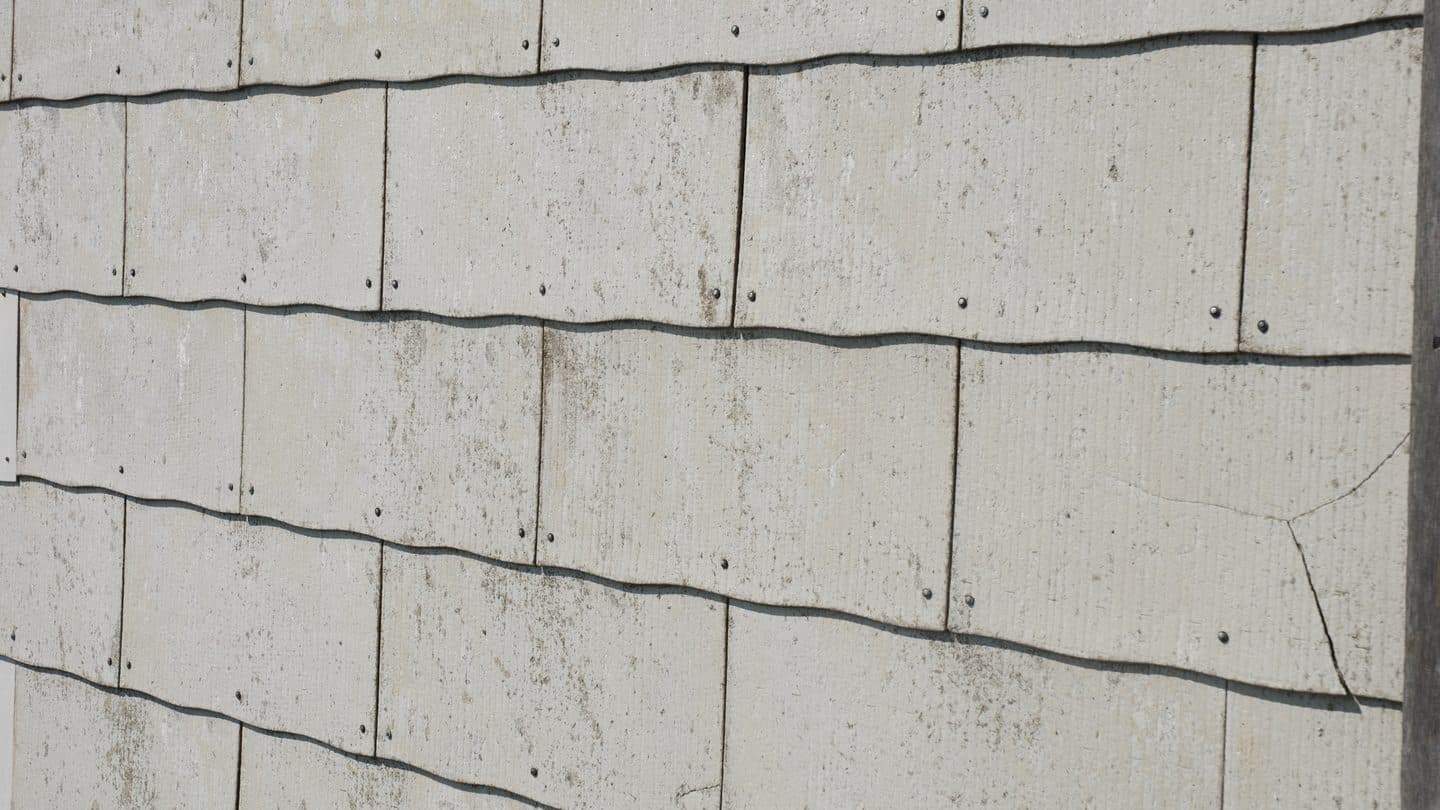
Does asbestos have to be removed before selling?
No.
There is no rule that you must take it all out before a sale.
The EPA's public line is that intact material in good condition should be left in place.
Removal is not a ticket you buy to be allowed to sell.
Removal is a licensed job.
It is usually for damaged material, or for a renovation that will disturb it.
If the house will finance with the material intact and disclosed, listing with an agent is usually the better path.
A lender can still condition a loan if the material is damaged and treated as a hazard.
That is a financing problem.
It is not a law that you must remove asbestos to sell.
Florida licenses the people who survey and the people who remove.
That licensing is for work, not for listing.
Selling as-is does not mean you skip disclosure.
It also does not mean you have to take the material out first.
If you were going to renovate anyway, and the work would tear into the material, then removal can belong on this side of closing.
If you were not, do not buy a full takeout just because a removal company offered a free quote.
Get a licensed inspection and a lab test before you pay for removal
Removal companies give free estimates.
They are also selling removal, so the estimate answers the question they are equipped to answer: what a takeout would cost if you hire them.
A licensed asbestos inspection is a different job.
It is a visual look plus a lab test of a small sample of suspect material.
You cannot tell by looking.
Textured paint, floor tile, cement siding, and pipe wrap can look the same with or without asbestos.
The EPA says a trained inspector should take the sample, because sampling done wrong can put fibers in the air.
Do not scrape a piece off with a kitchen knife to check.
Do not sand a corner of the ceiling to test it.
That is how intact material becomes disturbed material.
A general home inspection is not an asbestos survey.
A home inspector may note possible asbestos-like material.
That note is not a lab result, and it is not a clearance.
The EPA also says the person who decides whether work is needed should not be tied to the company that would do the removal.
A free removal quote is a sales call.
Pay for an inspection first.
In Florida, the person who does the survey generally has to be a licensed asbestos inspector, the license Florida calls a consultant.
The person who removes it generally has to be a licensed asbestos contractor.
Those are not the same license.
You do not have to get a survey just to list the house.
A survey is for work that will disturb the material, not a ticket you buy to be allowed to sell.
Proximity is the point.
You cannot Google a net number for this house.
You can get close to what the material actually is, whether it is intact, and whether anyone needs to touch it.
Do that before you buy a full removal you may not need.
A lot of suspect ceilings and tiles turn out not to contain asbestos.
That is a very different conversation with a buyer and a lender than damaged wrap that is already shedding.
Without the lab result, every financed buyer prices in the worst case, because the worst case is all they can see.
The realistic paths, honestly compared
Leave it intact, or seal or cover it, then list it.
Remove it, then list it.
List it as it sits, at a discount, to whoever will still finance or pay cash.
Sell it as it sits to a buyer who takes the house as it sits, testing and work included.
The ranking is not obvious until you stop comparing list prices.
This is often the smart retail path when the material is sound.
If the material is intact or already sealed, you disclose it, the house will finance, and you can wait out a normal listing, call a local agent.
That is usually the better path.
Sealing or covering, if you need it, still comes out of your pocket first.
You carry the house while the work is done and while it sits on the market.
Remove it, then list.
This reopens buyers who will not take on any management.
It is the better retail path only in a narrower set of cases.
You have the cash.
The material is damaged, or a lender will not fund without removal.
Or you were going to renovate anyway, and the work would disturb it.
Removal money comes out of your pocket first, not out of the closing proceeds.
Removal is rarely a weekend.
You carry the house the whole time: taxes, insurance, utilities, and whatever is still due on the loan.
If you have the cash and the patience, and the material actually has to come out, this can net more than an as-is sale.
If you do not, comparing that higher sale price to an as-is number is the wrong comparison.
List it as it sits, at a discount.
This works, and it is slower than owners expect.
You are fishing in a smaller pool of cash buyers and renovation-loan buyers while still paying commission and closing costs, and while still carrying the house every month.
Deals still die when an appraiser flags damaged material and the buyer's lender will not fund.
Sell it as it sits to a buyer who takes on the work.
Lowest contract price, and no removal spend, no commission, and a short timeline.
Whether it nets you more than the other doors depends almost entirely on whether the material is intact, the size of any required work, and how long the other paths would actually take.
The mistake worth avoiding is comparing sale prices.
Compare what reaches your account after the testing, the sealing or removal, the fees, and the months of carrying costs, because those four things move the ranking often.
If the removal takes two months and the house still has to list after that, what does the carrying cost do to the higher sale price?
If you cannot get a loan against the house in this condition, where does the removal money come from?
Once those two are honest, the remaining doors are obvious.
If the house will finance, meaning intact or already sealed material, disclosed, and no hazard that kills the loan, and you can wait, list it with an agent.
We are the wrong call in that case, and we will say so.
If the material is damaged, a lender will not fund it, or you cannot fund the work and wait, the as-is path is the one that is still open.
Sealing, covering, and removal are different jobs
Owners often get one number from a removal company and treat it as the whole problem.
It is not.
Leaving intact material alone is one choice.
Sealing it so fibers stay put is another.
Covering it so nobody touches it is a third.
Taking it out is a fourth, and it is the most disruptive.
Those are not the same job, the same way treating termites is not the same job as replacing chewed wood.
Sealing is coating or binding the material so it does not shed.
Covering is putting something over it, like a new floor over old tile, or a wrap over pipe insulation.
The EPA's homeowner page says that if asbestos flooring needs replacing, install new floor covering over it if you can, and do not sand it.
Removal is cutting the material out, bagging it, and taking it to a proper disposal site.
Removal is complex, and done wrong it can put more fibers in the air than leaving it alone.
Do not do this yourself.
Florida generally requires a licensed asbestos contractor for removal work.
An owner who is selling is typically not in the narrow exception for work on a house that is not for sale.
Limited exceptions exist for some roofing and some floor covering work by other licensed trades, under conditions we are not going to pretend to recite here.
Do not use a national average to decide this.
Treat any national average with suspicion.
How much material there is moves the number more than a blog table will admit.
So does whether it crumbles, whether it is a ceiling or a tile or a wrap, and whether anyone has to open walls.
Get the inspection first so the quotes are pricing the same material in the same condition.
Get a sealing or covering quote and a removal quote as separate numbers if work is actually needed.
Paint is not a licensed seal job.
A fresh coat over a crumbling ceiling makes the next buyer less trusting, not more.
Then compare nets.
A cheap coat of paint that leaves damaged wrap in place still will not reopen FHA or VA.
An expensive full-house removal on a house that has three other conditions stacked on top may not reopen them either.
Proximity again: actual scope on this house, not a chart from a cash-offer site.
Use a licensed tester, not a removal sales call
Older houses can have the same suspect materials EPA lists for older houses anywhere: textured ceilings, cement siding, old floor tile, and pipe wrap. That is age, not a local crisis. We are not claiming every older house has asbestos. We are saying those materials show up in older stock, and the way to know is a lab test, not a guess from the decade.
Some counties require a written survey by a licensed inspector before renovation or demolition, not before sale. That is a renovation rule. It is not a rule that you must remove asbestos to sell a house.
Isolated single-family houses are often outside the federal demolition-and-renovation air rule that covers larger buildings. Florida still licenses the people who survey and the people who remove. Those two jobs must stay two different companies.
If you need a look, not a rip-out, hire someone to test who is not also selling the removal. Confirm the company is licensed on the state asbestos license site before you pay anyone. Do not hire off a free removal quote.
Start with the EPA leave-it-alone page and the EPA seller FAQ. Florida DEP has an asbestos FAQ for renovation rules, not a must-remove-to-sell rule.
The remaining doors are the same. Lenders are not new to older materials. They are new to an unclear file, or to material that is already damaged.
If the as-is path is the one that survives
If the house will finance and you can carry a listing, call an agent. That is the better path, and it is the one we will tell you to take.
If the as-is path is the one that survives your criteria, use /get-offer/. Walk the actual inspection, the actual condition, and the actual timeline. Sending this house on that form is closer than another hour of national averages.
We are the buyer, not a lead broker. If we are not the right buyer, we will say so. No is a complete answer.
This is not a reinvention. It is a way to keep the equity the house still holds without spending the next season becoming a removal project manager.
Common questions
Will FHA or VA finance a house with asbestos?
Usually yes if the material is intact. FHA and VA do not name asbestos as an automatic no. They do require the house to be free of known safety hazards. Damaged material that crumbles and can get into the air is typically treated as a hazard and can condition or block the loan. Intact tile, siding, or a sound ceiling usually does not. Cash buyers skip that lender step.
Do I have to disclose asbestos when selling a house?
Yes, if you know it is there. Treat it as a material fact the buyer cannot see. Florida sellers generally must disclose known facts that materially affect value and are not readily observable. Selling as-is does not cancel that duty. This is general information, not legal advice.
Does asbestos have to be removed before selling?
No. There is no rule that you must take it all out before a sale. Intact material in good condition is often left in place. Removal is a licensed job, usually for damaged material or for a renovation that will disturb it. If the house will finance with the material intact and disclosed, listing with an agent is usually the better path.
Can I sell a house with an asbestos popcorn ceiling?
Yes. Popcorn is the homeowner name for a textured ceiling. Not every popcorn ceiling contains asbestos. You cannot tell by looking. A licensed inspector takes a small sample for a lab test. If the ceiling is intact, it is often left in place. Do not scrape it yourself to make the house show better.
Can I sell a house as-is with asbestos?
Yes. As-is means you are not promising to fix it. You still disclose what you know. Financed buyers may drop out if the material is damaged and their lender treats it as a hazard. The remaining pool is cash buyers and a smaller set of renovation-loan buyers. Price for that pool. Do not compare that offer to a retail list price on a sealed or removed house.
Additional helpful resources
 U.S. EPA, asbestos
Federal asbestos hub.
 U.S. EPA, protect your family from asbestos
Protect your family from exposures to asbestos.
 U.S. EPA, home seller asbestos disclosure
Does a home seller have to disclose asbestos to a buyer.
 U.S. EPA, learn about asbestos
Learn about asbestos.
 Florida DEP, asbestos FAQ
Florida asbestos FAQ for renovation rules, not a must-remove-to-sell rule.