Can I sell a house with termite damage?
 Written by Valentina Daza
Published August 24, 2026
Yes. You can sell a house with termite damage. What changes is who can buy it. VA, FHA, and many lenders want a wood-destroying-organism report, and active infestation or untreated structural damage can block a mortgage. You are not stuck. You can treat and then list, list as-is at a discount, or sell as-is to a buyer who takes the house as it sits. Termites rarely make a house unsellable. They change the buyer pool.
Key Takeaways
- Termite damage rarely stops a sale. It stops or delays financing when a lender wants a clear wood-destroying-organism report.
- Known termite activity and damage are material defects. Disclosing them early filters the buyer pool instead of blowing up a contract later.
- Get a licensed WDO inspection before you pay for treatment. A free pest-sales call is not the same document a lender will accept.
- Compare what reaches your account after treatment, wood repairs, fees, and carrying costs. Not the list price.
The real problem is not the termites. It is the loan.
Most owners in this position assume the termites are what make the house unsellable. They are not. The house is sellable. What the termites do is quietly close the doors you were counting on.
VA, FHA, and many lenders want a wood-destroying-organism report. If that report shows active infestation or untreated structural damage, the loan is typically conditioned on treatment and repair before closing. That single fact removes the majority of retail buyers from your list, because most retail buyers need a mortgage.
The same mechanism closes the other exits at the same time. A refinance to fund the treatment runs into the same report. A home equity line runs into the same report. A contractor willing to work on payment terms wants the equity secured against a house a lender will value, and the WDO report shows up again.
So the question is almost never whether you can sell. It is which of the remaining doors you want to walk through.
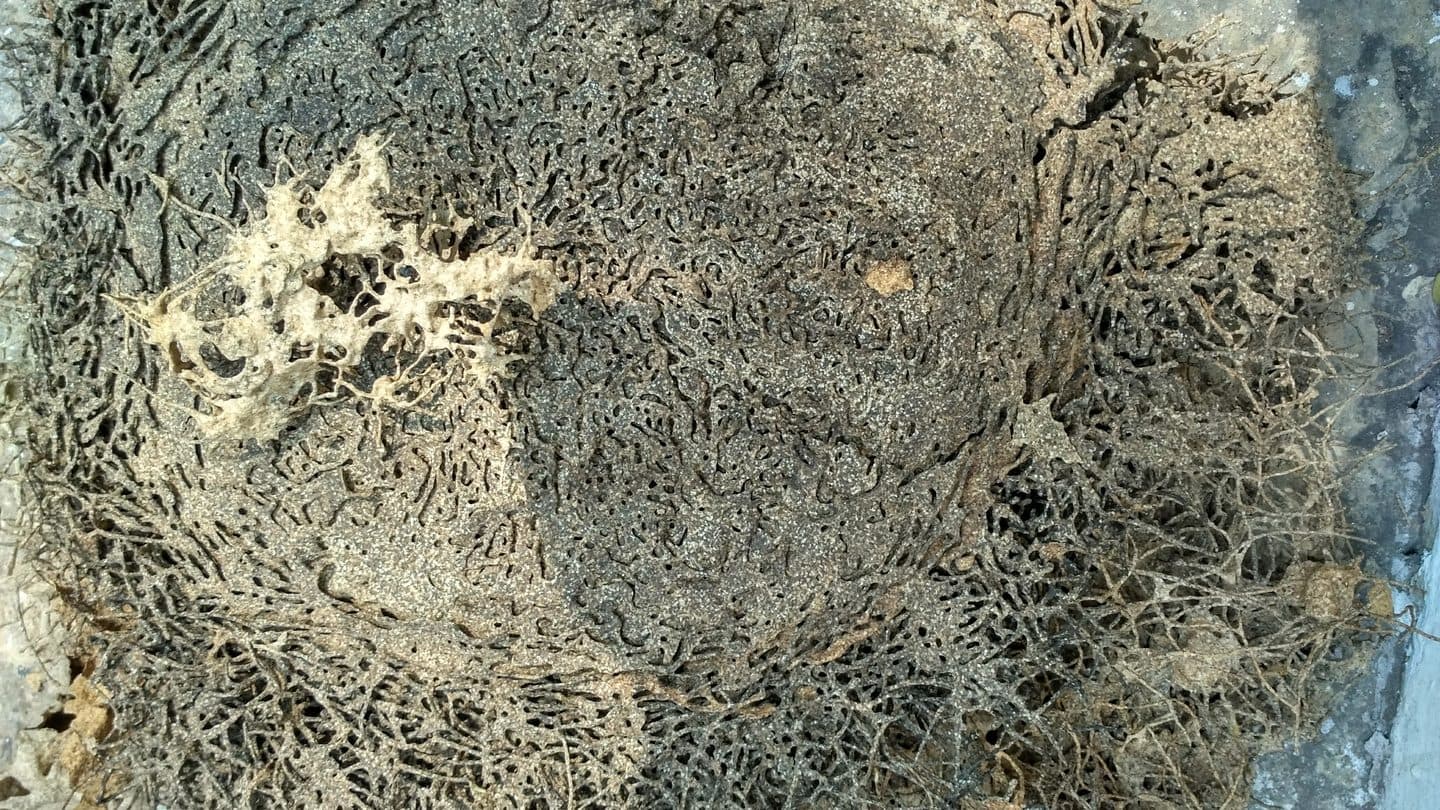
You have to disclose what you know, and that is usually an advantage
Known termite activity and known termite damage are material defects. If you have seen live termites, paid for treatment, received a quote, or been told there is damage in the wood, you know about it.
Owners sometimes try to sell around this. It tends to go badly. The buyer usually finds it during their own inspection or when their lender orders the WDO report, at which point the deal breaks and you have lost weeks.
Disclosing early does something useful instead. It filters your buyer pool to people who already know what they are looking at, which means fewer contracts that collapse when the report comes in.
Get a licensed WDO report before you pay for treatment
Pest companies give free estimates. They are also selling treatment, so the estimate answers the question they are equipped to answer: what would a full treatment cost.
A licensed wood-destroying-organism inspection is a different document. It is the report a lender will actually read. It says whether there is active infestation, whether there is damage, and where. A free pest-sales call is not that report.
Get the WDO inspection first. Then decide whether treatment, wood repair, or selling as it sits is the path that survives, because those are different jobs and they are priced separately.
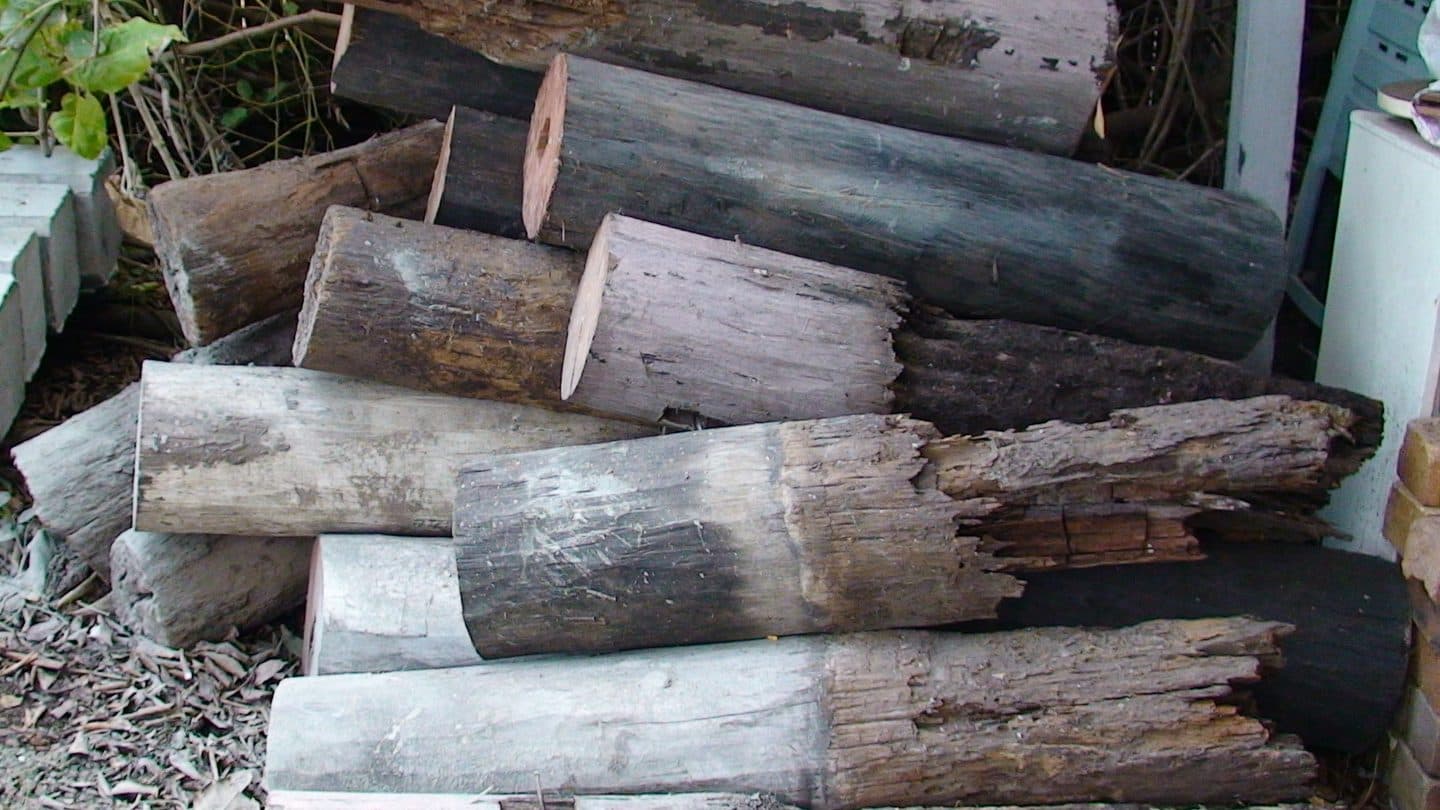
The three realistic paths, honestly compared
Treat and then list. This gets you the highest sale price and it requires the treatment and wood-repair money up front, in cash, before the house lists. You carry the house the whole time. If you have the cash and the patience, this usually nets the most.
List it as-is, at a discount. This works, and it is slower than owners expect. You are fishing in the smaller pool of cash buyers and renovation-loan buyers while still paying commission and closing costs, and while still carrying the house every month.
Sell it as-is to a buyer who takes the house as it sits. Lowest sale price, and no treatment spend, no wood-repair spend, no commission, and a short timeline. Whether it nets you more than the other two depends almost entirely on the size of the work and how long the other paths would actually take.
The mistake worth avoiding is comparing sale prices. Compare what reaches your account after treatment, wood repairs, fees, and carrying costs, because those things move the ranking often.
Treatment and wood repair are different jobs
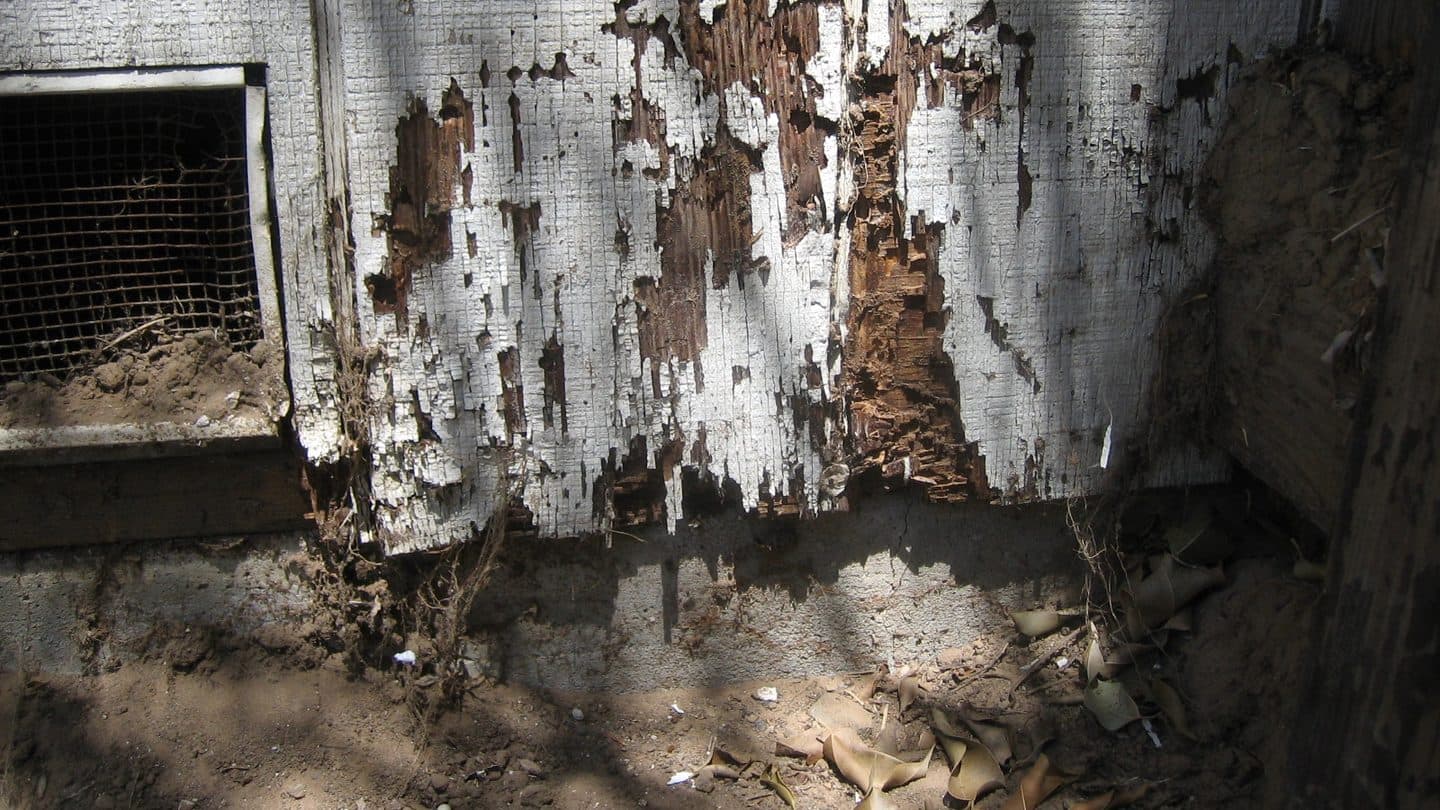
Treatment kills or excludes the colony. It does not put the wood back. A house can be treated and still fail a lender review if the structural damage is untreated.
Wood repair is the carpentry: sistering joists, replacing sills, rebuilding the pieces the termites actually ate. That work has its own permit path, its own quotes, and its own timeline.
A treatment quote without a wood-repair scope is only half the number. Get both before you decide which path you can actually fund.
Use the state license lookup, not a pest-sales call
Florida pest control is licensed through the Department of Agriculture. The license lookup is how you check that the company writing the WDO report is actually licensed to do that work.
A door-hanger or a free inspection from someone selling treatment is not the same check. Look the license up first, then hire, then pay.
If the as-is path is the one that survives
Selling as-is is legal and common when the treatment-plus-repair bill is larger than the cash you have, or when waiting through treatment, carpentry, and a retail listing would cost more in carrying costs than the extra sale price would return.
You still disclose what you know. The buyer takes the house as it sits, including the termites and the wood they ate. That is the trade: a lower price against no repair spend and a short timeline.
Compare the net, not the list price. If listing after treatment is the better move for your house, that comparison is how you find out.
Common questions
Will FHA or VA finance a house with termite damage?
Often not until the report is clear. VA, FHA, and many lenders want a wood-destroying-organism report, and active infestation or untreated structural damage can block a mortgage. Cash buyers and some renovation loans are the usual remaining pool until treatment and needed wood repairs are done.
Do I have to disclose termites when selling in Florida?
If you know about them, treat them as a material defect and disclose them. Known termite activity and damage are the kind of facts a buyer and a lender will want in writing. Disclosing early filters the buyer pool instead of blowing up a contract when the WDO report arrives.
Should I treat and repair before I list?
Only if you have the money in cash and can wait out the treatment, the wood repair, and the marketing period. Treating first normally produces the highest sale price. Compare what reaches your account after treatment, wood repairs, fees, and carrying costs, not the list price.
Can I sell a house with active termites as-is?
Yes. You disclose what you know and sell as-is to a buyer who takes the house as it sits, including the infestation and the damaged wood. The price is lower. The trade is no treatment spend, no wood-repair spend, and a shorter timeline.
What is a WDO report, and is a free pest estimate the same thing?
A wood-destroying-organism report is a licensed inspection a lender will actually accept. It states whether there is active infestation and whether there is damage. A free pest-sales call is a treatment quote. It is not the same document. Get the licensed WDO inspection before you pay for treatment.
Does old termite damage still stop a mortgage if there are no live termites?
It can. Lenders are reading untreated structural damage as well as live activity. Old damage that has been inspected, documented, and repaired is a different conversation from damage that is still open. A current WDO report is what tells you which one you have.
Additional helpful resources
 U.S. Department of Veterans Affairs, local appraisal requirements
Local VA appraisal requirements, including wood-destroying organism reports.
 Florida Department of Agriculture, pest control license lookup
Look up a Florida pest control license before you hire.
 Florida wood-destroying organism inspection form
The Florida wood-destroying organism inspection form lenders expect.
 UF/IFAS, Formosan subterranean termites
University of Florida guide to Formosan subterranean termites.
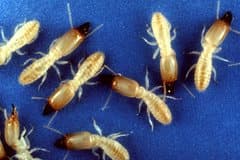 UF/IFAS, native subterranean termites
University of Florida guide to native subterranean termites.
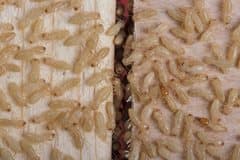 University of Florida termite lab
University of Florida termite research lab for Florida termites.