
What does it cost to replace a roof before selling?
 Written by Valentina Daza
Published August 22, 2026
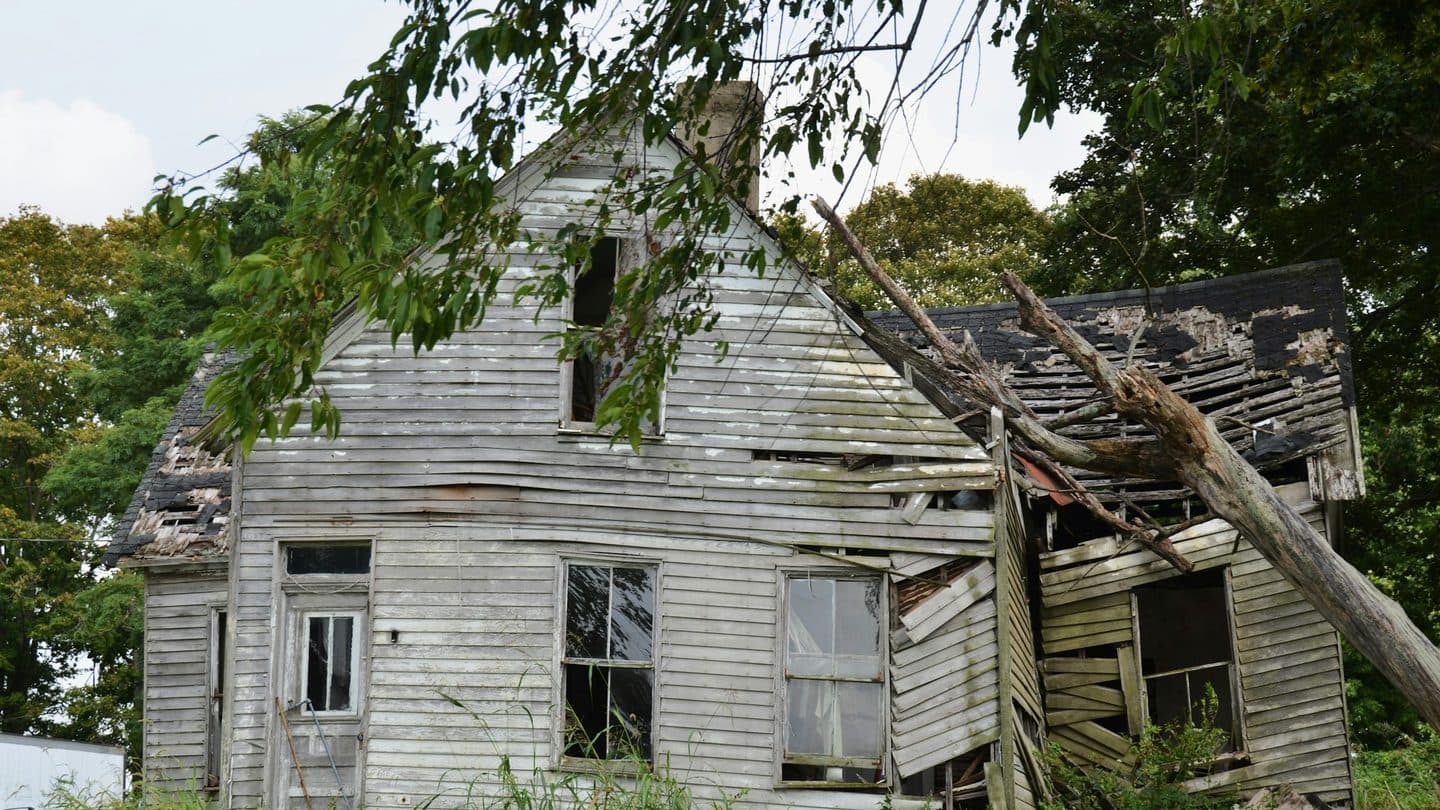
Cost is driven by square footage, pitch, layers to tear off, material and local labour, so national averages are close to useless for planning. The more useful question is whether replacing it returns more than it costs. Replacing reopens the financed buyer pool, which is much larger, but the money comes out of your pocket first and before the house sells.
Key Takeaways
- Square footage, pitch, tear-off layers, material and local labour drive the number.
- Insurers, not just lenders, react to roof age, and no insurance means no mortgage.
- Storm damage may fall within an insurance claim window, which changes everything.
- A written quote is worth more to a buyer than an acknowledgement that the roof is old.
Why national averages mislead
Roofing is priced per squared area, but the multipliers matter more than the base. A steep pitch requires staging and slows work. Multiple existing layers mean more tear-off and disposal. Material choice moves the number by a wide margin, and local labour rates vary enormously.
Two houses of identical size can differ by a large multiple on those factors alone. Any figure quoted without a look at your roof is a guess.
Get at least two written quotes for the same defined scope so they are actually comparable.
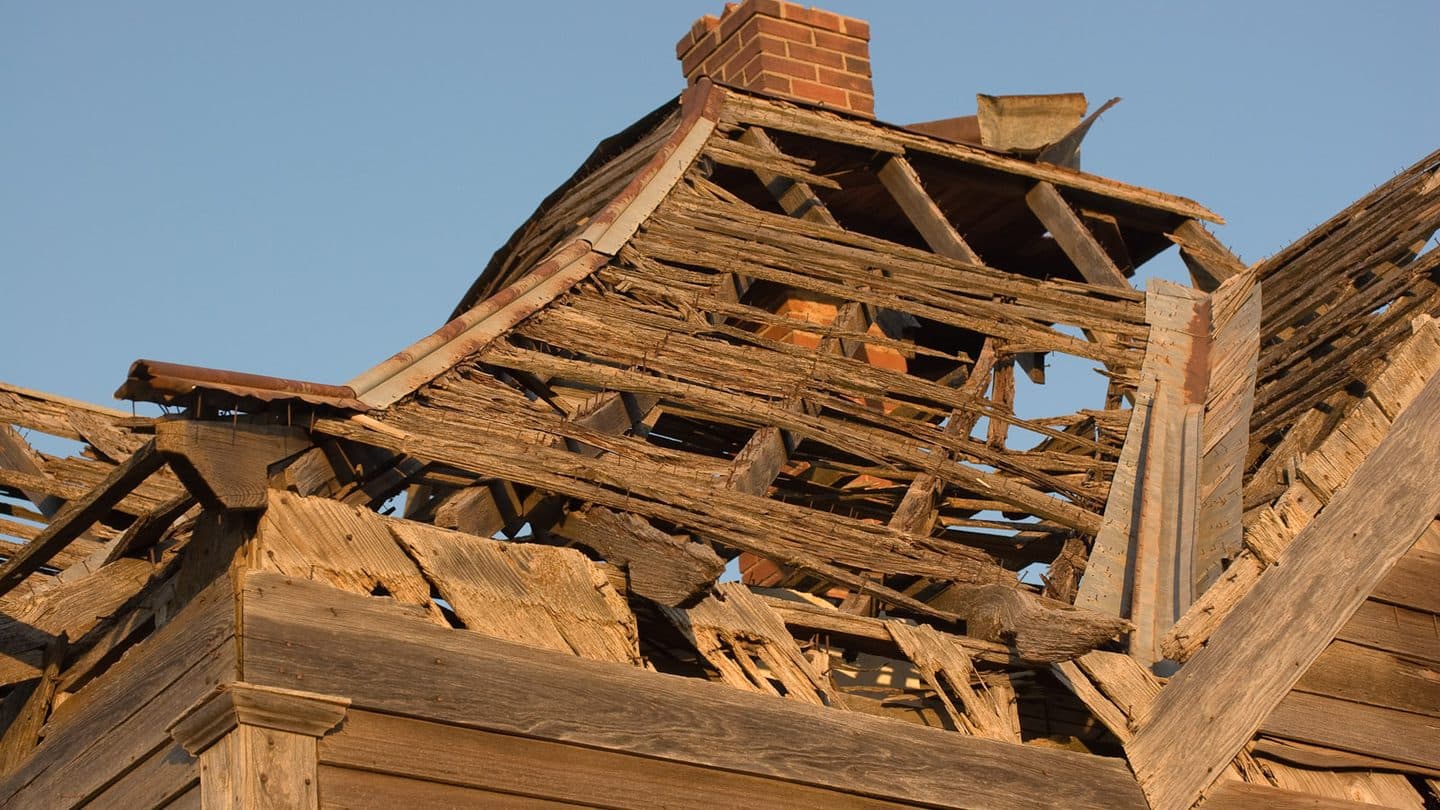
Check the claim window before you spend anything
If there has been hail or wind, damage may be covered, and policies impose deadlines for reporting, because an open roof is still water damage.
A covered claim changes the arithmetic completely, because the insurer rather than you funds most of the work. It is worth a phone call before any other decision.
Be wary of contractors who offer to handle a claim in exchange for the work. Deal with your insurer directly.
Is replacing it worth it before you sell?
A roof past insurable age can prevent a buyer getting a policy, and without a policy they cannot get a mortgage.
The argument against is cash flow and time. The roof is paid for before the house sells, from savings rather than proceeds, and you carry the house through the work and the marketing period.
If you have the money and the patience, replacing usually nets more. If you do not, selling as it stands is a legitimate answer rather than a failure, and the honest way to decide is to compare the net of each path rather than the price.
Common questions
Will replacing the roof pay for itself when I sell?
Often it moves the house back into the financed buyer pool, which is much larger and pays more, so it frequently improves the net. It requires paying for the roof before the house sells, out of your own money, which is the constraint that decides it for most owners.
Can I just offer a roof credit instead?
Sometimes. Some buyers accept a credit at closing rather than requiring the work first, and some renovation loan products let a buyer finance the repair into the purchase. Both are narrower than the general market but neither is unusual.
Why do roof quotes vary so much?
Because pitch, number of existing layers to tear off, material, access and local labour rates all move the number substantially. Quotes are only comparable when every contractor is pricing the same defined scope, which is why a written scope matters.
.jpg)