Can I sell a condemned house?
 Written by Valentina Daza
Published August 22, 2026
Usually yes. Condemnation normally means a local authority has declared the structure unfit to occupy, not that you have lost ownership. You still hold title and you can still sell. What it does is remove essentially every financed buyer at once, because a house nobody is permitted to live in cannot satisfy a lender or an insurer. The buyers left are people buying the land and the structure as a project.
Key Takeaways
- Condemned for occupancy is not the same as seized. In most cases you still own the property.
- It is different again from eminent domain, where a government actually takes property and must pay for it.
- Financed buyers are effectively gone, because the house cannot be occupied or insured as a residence.
- The clock matters, because some jurisdictions move toward demolition, and demolition costs can be billed to you.
What condemnation usually means, and what it does not
The word does a lot of damage because it sounds final. In most everyday use, a condemned house is one a local building or health authority has declared unfit for human occupancy. There is a placard, there is a case, and people are not allowed to live there.
That is not the same as the government taking the property. Eminent domain is a separate thing entirely, where a public body acquires property for public use and is required to pay compensation. If somebody has told you your house is being condemned and money is involved, make sure you know which of these two conversations you are in, because they could not be more different.
In the ordinary case you still own the house, you still owe whatever is secured against it, and you can still sell it. Ownership and occupancy are separate questions, and it is the second one that has been restricted.
Understanding that is the difference between believing you have no options and knowing you have a narrow set of real ones.
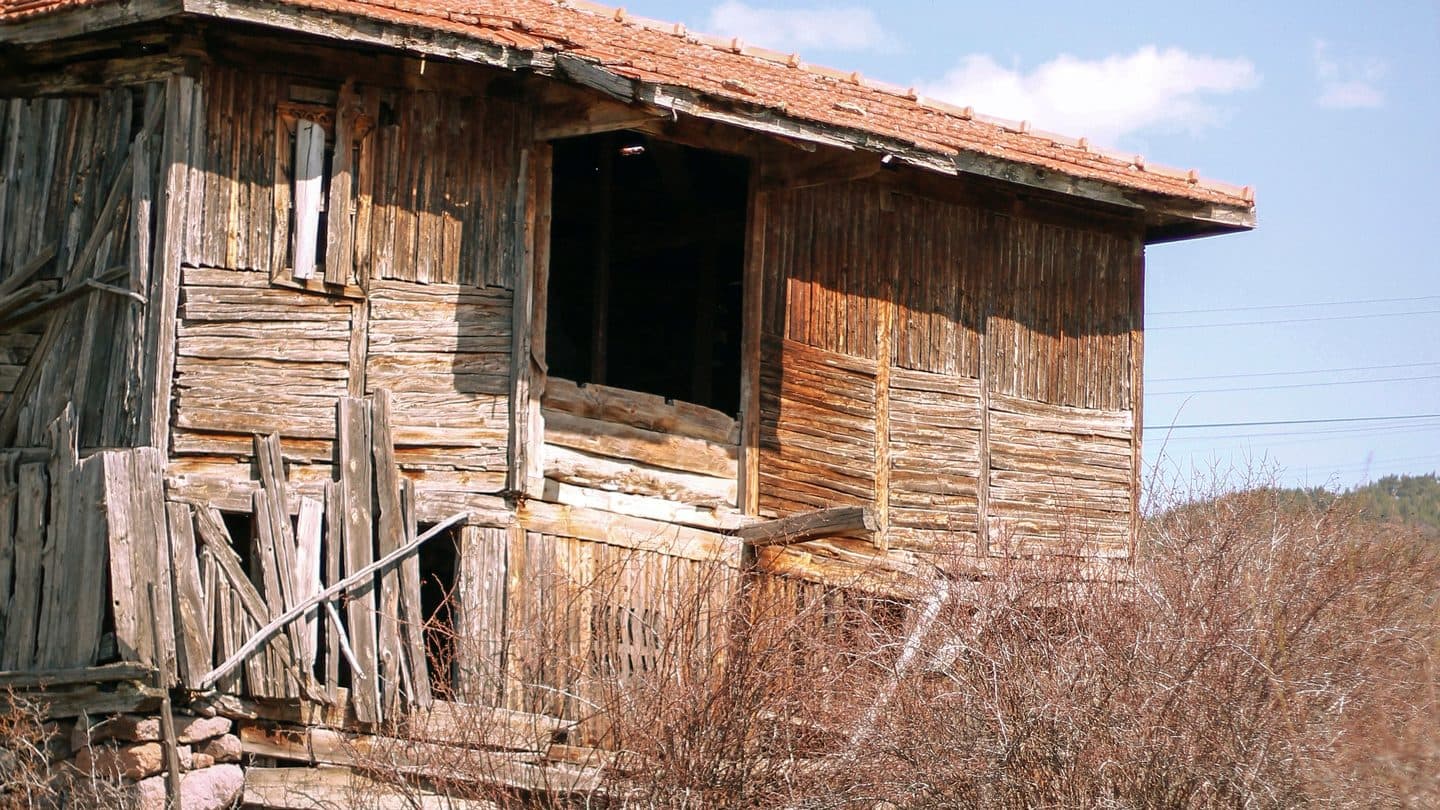
Why the buyer pool collapses to cash
Everything a mortgage requires fails at once here. An appraiser cannot support value on an uninhabitable structure. Minimum property standards for government-backed loans are not met by definition. An insurer will not write a homeowner policy on a house nobody may live in, and lenders require insurance to fund.
So there is no realistic financed buyer for a condemned structure, and listing it on the open market to reach retail buyers is aiming at people who cannot complete a purchase even if they want to.
What is left is buyers paying cash: people buying it as a rehabilitation project, people buying it for the land, and in some cases neighbours or local builders. That is a much smaller pool, and it is a pool that prices in demolition or heavy renovation, so the offers reflect that honestly.
It is worth saying plainly that offers on a condemned property will look low relative to what the street is worth. That gap is the cost of the work and the risk, and pretending otherwise would not help you.
The demolition clock is the reason not to wait
Many jurisdictions do not leave condemned structures indefinitely. Where a property is declared unsafe, there is often a process that moves toward demolition, and in a number of places the cost of that demolition can be assessed against the owner or recorded as a lien on the land.
That is the outcome to avoid, because it is the one where you end up with no house, a bill, and a vacant lot worth considerably less than the property was worth even in its condemned state.
Meanwhile the ordinary costs continue. Property taxes are still assessed. Any mortgage is still owed. Vacant property insurance, if you can get it at all, costs more than a standard policy.
Contact the code enforcement or building department, give them the address, and ask exactly where the case stands and what the next scheduled step is.
Whether the condemnation can be lifted is worth asking
Where the declaration was triggered by specific curable conditions, such as no working utilities, a failed septic, an unsafe roof or a specific structural fault, repairing those conditions and passing reinspection can sometimes restore occupancy.
That path is worth pricing, because a house that can be legally occupied again is worth dramatically more than one that cannot, and the gap is often larger than the repair.
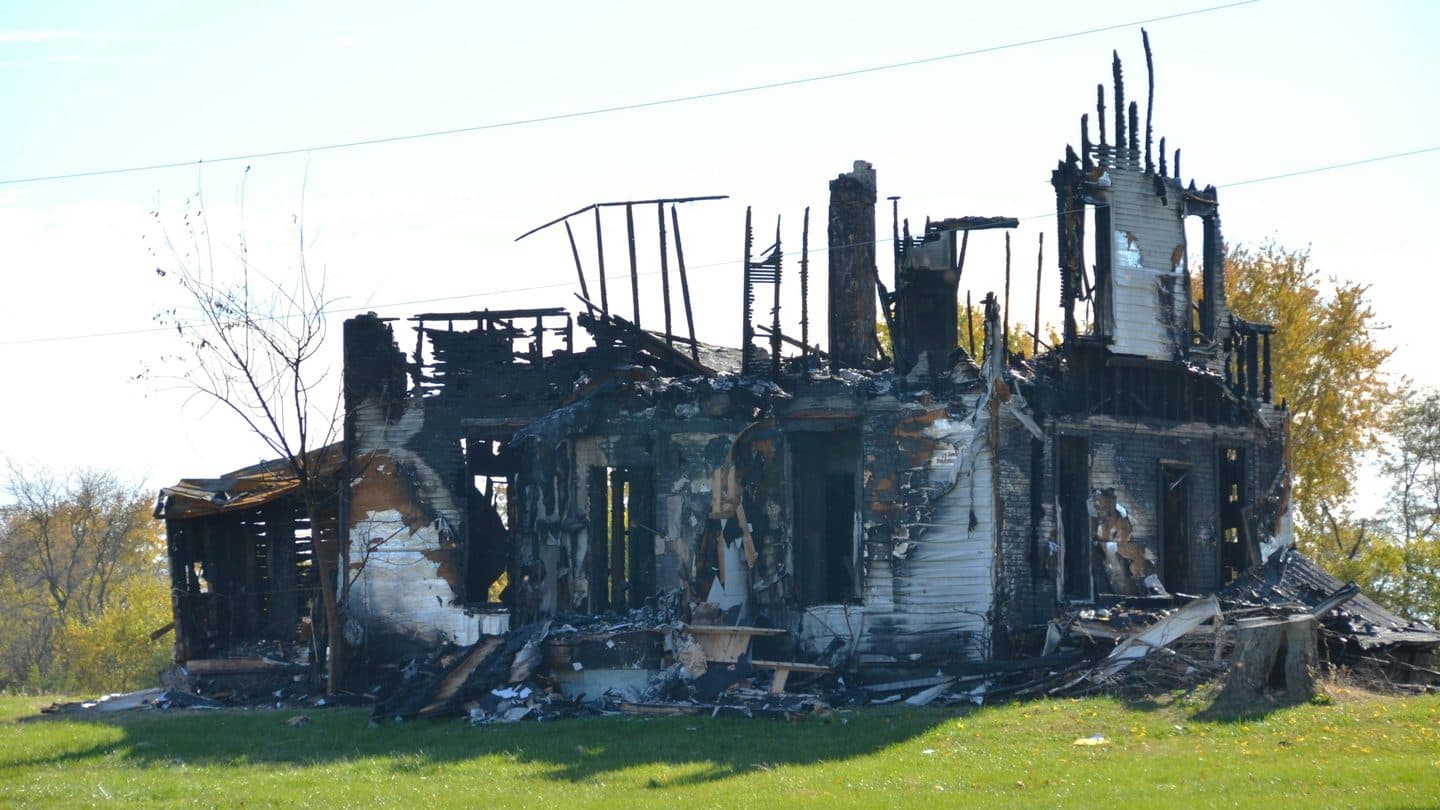
If the declaration followed a fire, long-term water intrusion or structural failure, the work needed is usually well beyond what an owner in this position can fund, and chasing it burns the time the demolition clock is counting.
Ask the building department directly what would be required to lift it. They will usually tell you. Then compare that number honestly against what the property is worth restored, and let the arithmetic decide rather than hope.
Common questions
Can you sell a condemned house?
Usually yes. Condemnation for occupancy generally means the structure is declared unfit to live in, not that ownership has been taken from you. You keep title and the right to sell. The buyers available are cash buyers, because no lender or insurer will support an uninhabitable house.
Does condemned mean the government owns my house now?
No, not in the ordinary case. That is eminent domain, which is a separate legal process in which a public body acquires property for public use and must pay compensation. Being condemned as unfit for occupancy leaves ownership with you.
Can a condemned house be un-condemned?
Sometimes. Where the declaration was caused by specific curable conditions, repairing them and passing reinspection can restore occupancy. Ask the building department exactly what would be required, then compare that cost against the restored value before committing.
What happens if I do nothing?
Many jurisdictions move toward demolition of unsafe structures, and in a number of places the demolition cost can be assessed against the owner or attached to the land. Taxes and any mortgage continue in the meantime, so doing nothing generally has a rising cost.
Why are the offers so low on a condemned property?
Because the buyer is pricing demolition or heavy renovation, carrying costs while that work happens, and the risk that the work uncovers more. The gap between the offer and what a repaired house on that street is worth is that cost made visible.