Can I sell a house with code violations?
 Written by Valentina Daza
Published August 22, 2026
Yes. Open code violations do not make a house unsellable, and they are bought and sold routinely. Two things change. Financing gets harder, because lenders and insurers react badly to recorded violations on a property. And in many places the citations run with the property rather than with you, so a buyer is taking them on knowingly and prices accordingly.
Key Takeaways
- Violations usually attach to the property, not to you personally, so they follow the house to the next owner.
- Many jurisdictions accrue daily fines while a violation stays open, so the number is not static.
- Unresolved violations can become a lien, which then has to be cleared at closing like any other lien.
- Buyers who do this routinely price the cure. Buyers who do not will usually walk instead of negotiating.
Why a citation closes doors that look unrelated
It might be unpermitted work, an unsafe structure, an illegal unit, overgrown lot conditions, a missing certificate of occupancy, or work that was started and never inspected.
The citation itself is often not the expensive part. What it does is make institutions cautious. A lender's appraiser can flag it and the loan gets conditioned on the cure. An insurer can decline coverage on a property with an open safety violation, and if the buyer cannot get insured, the buyer cannot close a financed purchase.
So the same pattern shows up here as everywhere else on this site. The owner thinks the problem is the violation. The actual mechanism is that the violation quietly disqualified the buyers who needed a mortgage, and the owner is left wondering why nothing is happening.
Understanding which mechanism is operating tells you which buyers are still reachable, which is the only question that actually matters.
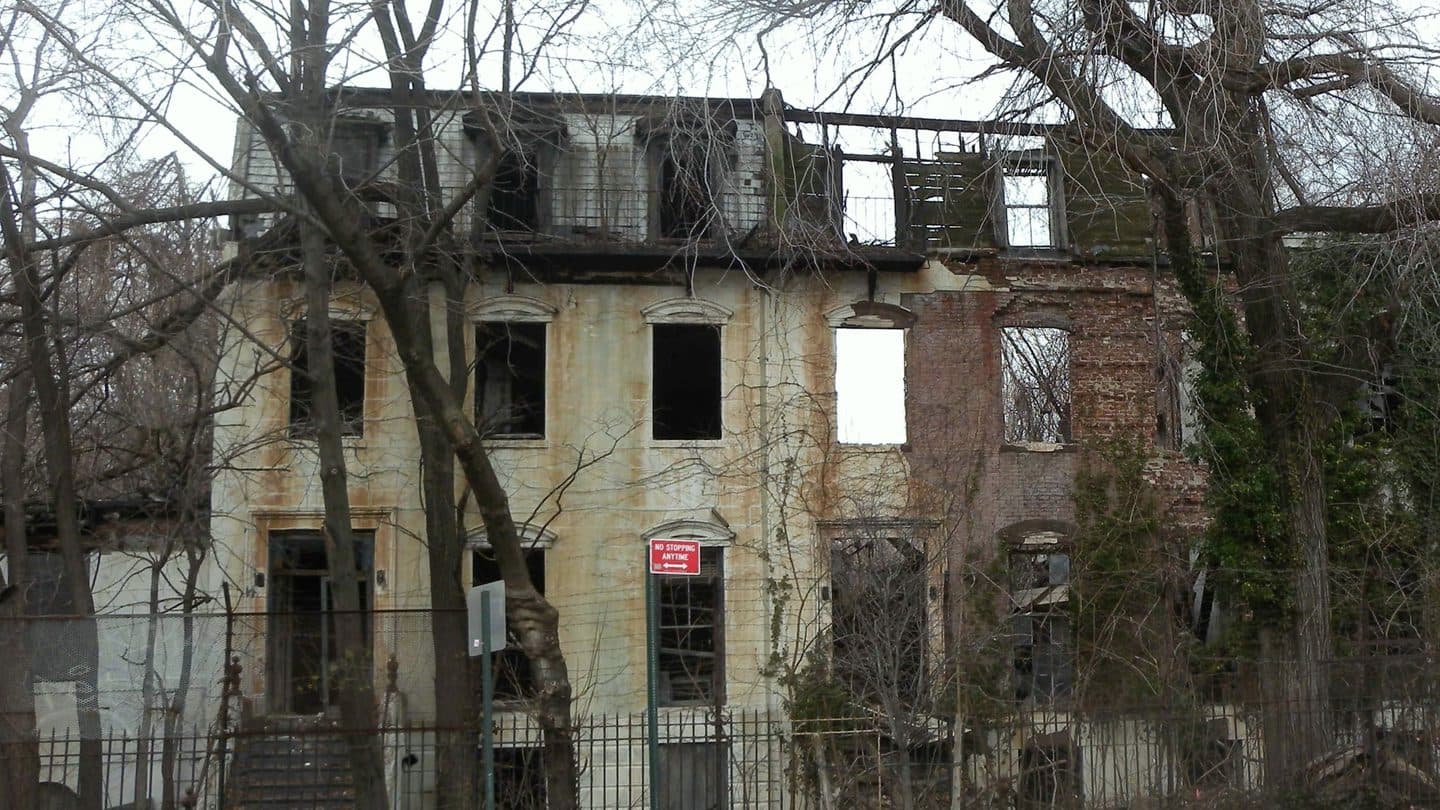
The fines usually keep running, and that is the part people miss
In many jurisdictions an open violation accrues a daily penalty until it is cured or the case is resolved. That means the amount owed is not the number on the notice you received months ago.
Owners regularly discover the accumulated total only when a title search is run, and by then it has grown into something that eats a meaningful share of the equity. In some places the accrued amount can be recorded as a lien against the property, which then has to be cleared at closing.
Unlike a roof, which simply stays bad, an open violation can actively get more expensive every week while you decide.
Call the code enforcement office, give them the case number, and ask for the current balance and the exact status. Ask whether any of it has been recorded against the property. Get it in writing.
Some violations can be closed cheaply, and it is worth checking
Not every citation requires construction. A meaningful share of open cases are administrative: an inspection that was never scheduled, a permit that was pulled and never finalised, documentation that was never filed.
Those can sometimes be closed for very little, and closing them removes the flag that was scaring off lenders and insurers. That is a genuinely high-return hour of phone calls.
Others are structural and expensive, such as a bad foundation, and unpermitted work is the one that surprises people most. A finished basement, an added bathroom or an enclosed porch done without permits can require opening up completed work so an inspector can see inside it, and the cost of that has very little to do with the value the work added.
Find out which kind you have before you assume the worst, and before you price the house.
Disclose it, because it is on the public record anyway
Code enforcement cases are generally public. A buyer, their agent, their lender or their title company can find them, and the ones who do this professionally look as a matter of routine.
Trying to sell around an open violation tends to produce the worst outcome available: the deal breaks late, after you have carried the house for another several weeks, and you are back where you started with less money.
Disclosing early does the opposite. It filters your buyer pool down to people who already understand what they are taking on, and those are the buyers who will actually close.
If you have the paperwork, put it all in one place before you talk to anyone: the original notice, the case number, any correspondence and the current balance. Being organised about it is worth real money in the price you get.
Common questions
Can you sell a house with open code violations?
Yes, and it happens routinely. In many places the violations attach to the property rather than to you personally, so they transfer with the house. The main effect is on financing, because lenders and insurers react to recorded violations, which narrows the buyer pool toward cash.
Do code violations transfer to the new owner?
In many jurisdictions yes, because the citation runs with the property. This varies locally, so confirm with your code enforcement office. Where they do transfer, a buyer is knowingly accepting the cure and will price it into their offer.
Do the fines keep growing while the house sits?
Often, yes. Many jurisdictions accrue a daily penalty until the case is closed, and the total can eventually be recorded as a lien against the property. This is why the balance owed is frequently much larger than the figure on the original notice.
Will a violation stop a buyer getting a mortgage?
It can. An appraiser may flag it and a lender may condition the loan on the cure, and an insurer may decline coverage on an open safety violation. Since lenders require insurance, a buyer who cannot get a policy cannot close a financed purchase.
Do I have to fix the violation before selling?
Not necessarily. Some cases are administrative and close cheaply, which is worth doing because it removes the flag. Others require construction, and whether to do that work first depends on whether you have the cash and the time, not on whether the sale is possible.